Intentional Spaces and the Importance of Conscious Choice of Furniture and Accessories

Creating Meaningful Environments
The spaces we inhabit profoundly influence our daily lives and overall well-being. As we navigate the rapid pace of contemporary life, the environments we create become spaces of refuge, productivity, and inspiration. An intentional space goes beyond mere aesthetics; it is about curating a sense of purpose and comfort that resonates with our individual needs and aspirations. This conscious selection of furniture and decorations plays a pivotal role in determining our mood, productivity, and emotional state.
What Makes an Intentional Space?
Creating an intentional environment requires thoughtful consideration of the elements that contribute to its function and appeal. Here are some key components:
- Functionality: Every item in the space should serve a distinct purpose. For instance, selecting a multifunctional sofa bed can maximize a small living room, allowing it to transform seamlessly from a cozy sitting area to a guest space.
- Aesthetics: The choice of colors, patterns, and textures should reflect your personal style while promoting harmony. A study has shown that colors like blue can enhance concentration, making it an excellent choice for home offices.
- Emotional Connection: The incorporation of personal artifacts, such as photographs, family heirlooms, or travel souvenirs, can evoke positive memories and create a warm atmosphere that comforts and inspires.
The importance of conscious choices becomes particularly clear when we consider how they directly impact our quality of life. For example, investing in a high-quality ergonomic chair can significantly improve posture and focus during long hours of work. Integrating decorative elements like succulent plants not only beautifies a space but also promotes relaxation and reduces stress, contributing to a more serene environment.
The Power of Accessories
Accessories should not be viewed as mere embellishments; rather, they are essential components of thoughtful design. The right accessories can transform a space into a sanctuary. Consider the profound impact of:
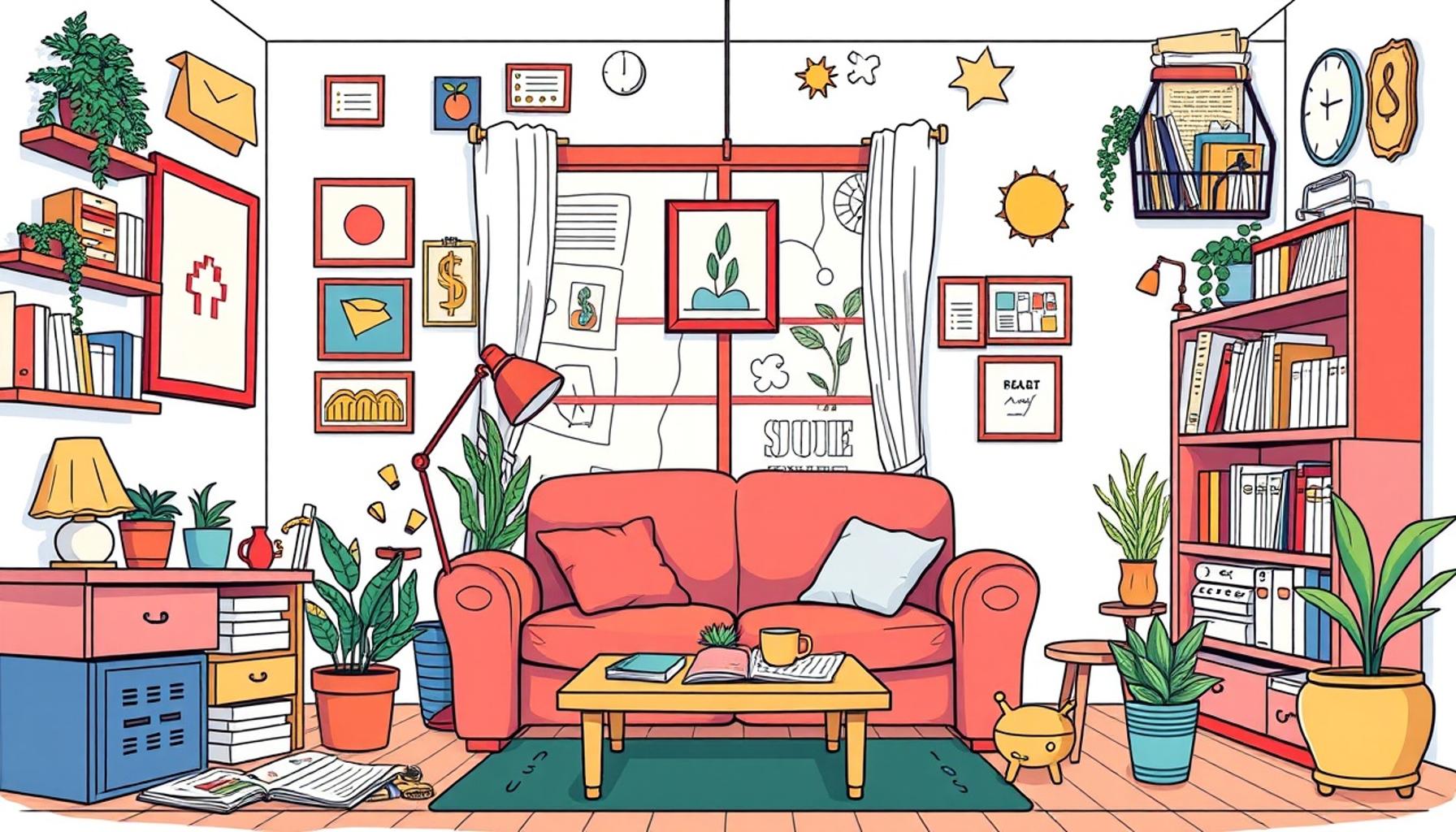
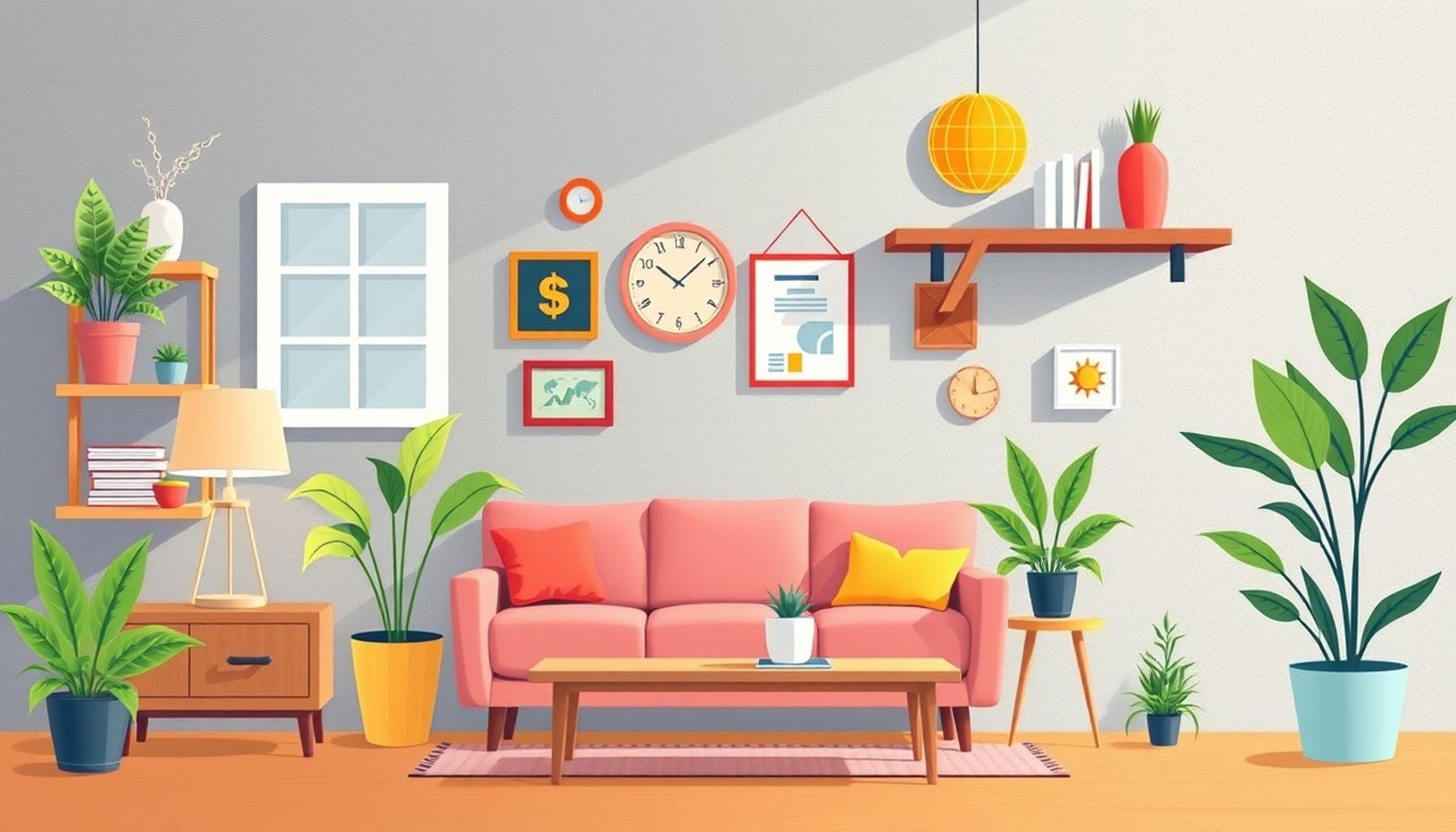
- Lighting: Natural light plays a crucial role in enhancing mood and energy levels. Utilizing sheer curtains can allow sunlight to filter into room while maintaining privacy, creating a bright and inviting space.
- Textiles: Soft furnishings, such as plush throw pillows and warm blankets, add both comfort and warmth to any area. Layering different textiles can create visually interesting and inviting spaces that encourage relaxation.
- Personal Touches: Items that express your personality—like pieces of art you’ve created or travel mementos—help cultivate a unique atmosphere that tells your story and makes the space truly your own.
Delving into the dynamics of intentional spaces encourages us to reflect on our choices and the environments we create. By understanding and implementing these principles, we can design spaces that not only fulfill functional needs but also nurture creativity, foster relaxation, and inspire us to be our best selves. As you explore this journey, remember that every small adjustment you make contributes to a more meaningful living experience, transforming your home or workspace into a haven of inspiration and comfort.
The Foundation of Intentional Design
To truly grasp the concept of intentional spaces, it’s crucial to understand that each element within a room contributes not just to its appearance, but to the overall experience of those who occupy it. The conscious choice of furniture and accessories lays the groundwork for a holistic environment that nurtures well-being and productivity. By being selective with our choices, we can create spaces that mirror our values and inspire a strong sense of belonging.
Selecting Furniture with Intention
When it comes to furniture selection, the principles of intentional design emphasize a few essential factors:
- Quality over Quantity: In a world often dictated by trends, prioritizing durable, timeless pieces can enhance both the aesthetic and functional value of a space. For example, investing in a handcrafted dining table made from sustainable wood not only adds elegance but also offers a long-lasting centerpiece for family gatherings.
- Ergonomics: As we work and navigate various activities from home, ensuring that furniture, such as desks and chairs, supports our physical health is vital. An ergonomic workspace can significantly reduce discomfort and increase concentration, leading to an improved quality of life.
- Scale and Proportion: Choosing furniture that aligns with the dimensions of a room can create a sense of balance and harmony. Oversized furniture in a small space may feel cramped, while smaller items in a large area can make it feel sparse. Understanding the scale of your space enables thoughtful selection that enhances flow.
Additionally, the color and texture of chosen items also contribute to emotional wellness. Soft, muted tones may evoke calmness, while vibrant colors energize a space. According to research, color psychology suggests blues and greens are associated with tranquility, making them ideal for areas dedicated to relaxation or creativity.
The Impact of Accessories
While furniture provides the framework of intentional spaces, it’s the accessories that add personal flair and warmth. They serve as crucial elements that can transform a house into a home. Consider these aspects when selecting accessories:
- Nature Elements: Integrating natural materials or living plants into your decor can purify the air and connect you with nature. Indoor plants, such as snake plants or succulents, can thrive in low-light conditions and require minimal care, making them perfect companions for busy lifestyles.
- Layering Textures: Incorporating a mix of textures—like soft rugs, woven baskets, and metallic accents—creates visual depth, making a space inviting and comfortable. Textiles like cushions and throws not only enhance comfort but also provide opportunities for seasonal updates without a complete overhaul.
- Inspirational Art: Artwork and wall decor can shape the emotional climate of your environment. By displaying pieces that resonate on a personal level, you can create a motivating atmosphere, whether that’s a striking painting or a hand-drawn map of your favorite travel destinations.
As we embark on the journey of crafting intentional spaces, it’s clear that the choices we make have lasting effects. The deliberate selection of furniture and accessories shapes not only our environment but also our experiences and interactions within that space. By embracing the principles of intentional design, we empower ourselves to create surroundings that reflect who we are and elevate our daily lives.
| Advantages of Intentional Spaces | Conscious Furniture & Accessories Selection |
|---|---|
| Enhanced Well-Being | Deliberate choices in design help create an environment that promotes mental clarity and emotional stability. |
| Increased Functionality | Selecting the right furniture and accessories can optimize spaces for efficiency and usability, making everyday tasks smoother. |
| Aesthetic Appeal | A conscious choice enhances visual harmony, contributing to a welcoming atmosphere that positively influences mood. |
| Mindful Consumption | Choosing timeless, sustainable pieces promotes responsibility in consumption, aligning personal values with lifestyle. |
Understanding the significance of intentional spaces extends beyond mere decoration; it touches upon enhancing quality of life through thoughtful design choices. By making conscious selections regarding furniture and accessories, individuals can transform rooms into purposeful spaces that reflect their identities and values while fostering well-being. Exploring this idea opens doors to creativity, personal expression, and overall satisfaction in everyday surroundings. Therefore, it becomes evident that each piece we choose holds power in shaping our experiences and emotions within our homes. Whether it’s a cozy reading nook or a vibrant workspace, the results are profound, encouraging readers to think critically about their environments.
Creating Harmony Through Thoughtful Selection
As we dive deeper into the realm of intentional spaces, it becomes evident that the way we select furnishings and accessories can significantly influence our daily lives. This extends beyond mere aesthetics; it’s about constructing environments that facilitate comfort, functionality, and a profound sense of peace. Each choice made is a building block in the architectural landscape of our homes and workspaces, leading us to consider the emotional resonance of our selections.
Functionality Meets Aesthetics
An often-overlooked aspect of furniture and accessory selection is the marriage of functionality and aesthetics. In creating intentional spaces, consider how multi-functional pieces can minimize clutter while enhancing visual appeal. For instance, a stylish coffee table with built-in storage or an expandable dining table can seamlessly accommodate both your aesthetic desires and practical needs. Such furnishings not only save space but also foster a sense of organization, promoting mental clarity.
Moreover, flexible seating options, like poufs and ottomans, provide versatility in spaces designed for social interaction. This adaptability allows us to adapt environments dynamically based on our activities—whether it’s hosting friends or enjoying a quiet evening alone. A space that can evolve with our needs fosters emotional security, crucial for creating intentional spaces that truly reflect our lifestyles.
The Psychology of Colors and Materials
In the pursuit of intentional spaces, understanding the psychology of color and materials is paramount. Beyond visuals, colors profoundly affect our moods and behaviors. For instance, the widespread use of blue and green hues in interior design mirrors their calming properties, often ideal for bedrooms or offices where focus and relaxation are essential.
Material selection plays a similarly pivotal role. Natural materials such as wood, stone, and cotton not only connect us to nature but also promote a sense of warmth and authenticity. Research indicates that environments enriched with natural materials can lead to a reduction in stress and anxiety. So, opting for wooden furniture or linen upholstery can create a sanctuary for your mind after a long day.
Emphasizing Cultural Influence
Across the United States, different regions bring distinctive cultural backgrounds into personal design choices. For example, Southwestern design often incorporates earthy tones, vibrant textiles, and handcrafted pottery that tell a story of heritage and community. These design choices are not just about visual appeal; they bring together the essence of cultural appreciation into our living spaces, enhancing our emotional connections to our environments.
As we intentionally select furniture and accessories, we draw in influences that resonate with our identities, shaping spaces that are not only visually stimulating but also rich in narratives and meaning. Adding personal items like family heirlooms or gifts from loved ones transforms an ordinary room into a memoir of our lives.
The Role of Intentional Spaces in Mental Health
Understanding the connection between intentional spaces and mental health cannot be overstated. Studies indicate that personalized and curated environments play a critical role in fostering well-being. For example, bright and organized spaces can boost productivity, while a peaceful corner filled with serene elements promotes relaxation and mindfulness. By consciously choosing where and how to place our furniture and accessories, we can create environments that nourish our mental health.
Ultimately, intentional design encourages us to be mindful of our choices—whether it’s the soothing scent of a candle on a side table or the inviting warmth of a soft blanket. By establishing a thoughtful connection with our surroundings, we not only enhance our spaces but also enrich our lives. Each piece selected is more than an item; it’s a reflection of our values, our aspirations, and our journeys through life.
Final Thoughts on Intentional Spaces
In our quest to create intentional spaces, the conscious selection of furniture and accessories emerges as a foundational aspect, influencing not just aesthetics but our overall quality of life. Each piece we choose serves a dual purpose—enhancing our environments while reflecting our personal stories and aspirations. As we strive for harmony in our surroundings, it becomes crucial to consider the intertwined roles of functionality and visual appeal. Opting for multi-functional furniture not only conserves space but also imparts clarity and organization to our lives.
Moreover, the psychology behind colors and materials informs our emotional well-being. By integrating calming hues and natural materials into our design choices, we can cultivate spaces imbued with relaxation and tranquility. The practice of surrounding ourselves with meaningful items and cultural artifacts also fosters a profound sense of belonging, connecting us to our roots and experiences.
As mental health becomes increasingly important in our fast-paced lives, creating intentional spaces has a powerful role to play. Research supports the notion that well-curated environments can enhance our productivity, promote mindfulness, and reduce stress. By thoughtfully considering the furnishings and accessories we incorporate into our lives, we create not just a visually appealing interior but also a sanctuary where we can thrive emotionally.
Ultimately, the journey toward intentional living begins with awareness—a newfound appreciation for the spaces we inhabit. As we embrace this thoughtful approach to design, we’re not just making decor choices; we are building environments that resonate with our values and nurture our well-being. Let your spaces tell your story, creating a personal refuge that inspires and uplifts.

Beatriz
Beatriz Johnson is a seasoned minimalist and writer with a passion for simplifying the complexities of personal organization and intentional living. With over a decade of experience in decluttering strategies and mindful consumption, she specializes in topics like space optimization, habit simplification, and sustainable lifestyle choices. Through her work on our website, Beatriz empowers readers to embrace minimalism, reduce mental and physical clutter, and create more meaningful, organized lives in today's fast-paced world.