The Importance of Simplicity: Designing Intentional Spaces at Home
Understanding the Importance of Intentional Spaces
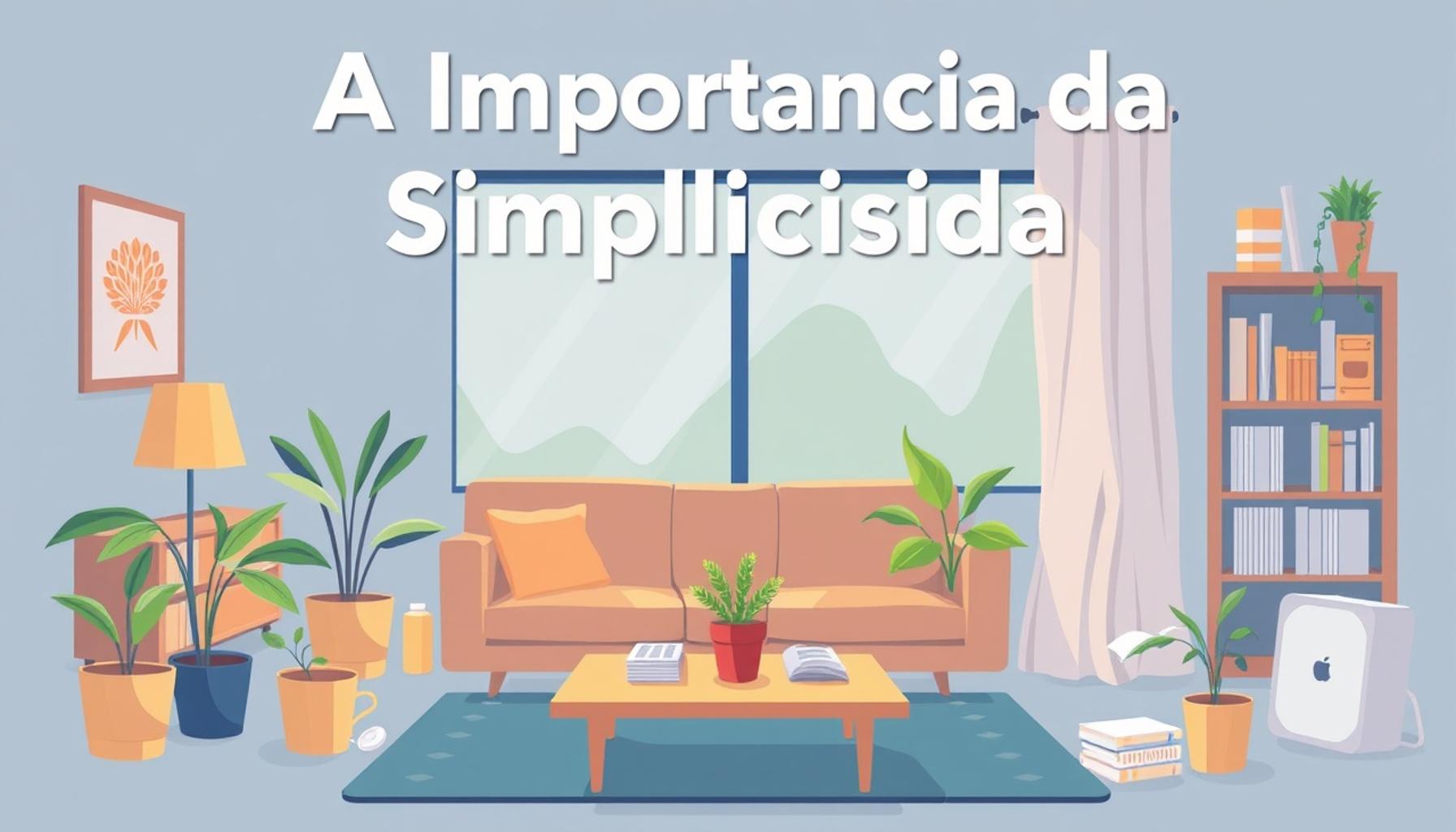
In a contemporary society overwhelmed by digital notifications, work demands, and a fast-paced lifestyle, the significance of creating intentional spaces within our homes is paramount. These spaces are not merely physical areas; they are reflections of our inner selves, encompassing our values and aspirations. A well-considered living environment can profoundly affect our mental well-being, productivity, and emotional health. By prioritizing simplicity in design, we invite clarity and focus, helping us to navigate our complex lives more effectively.
Reducing Stress Through Decluttering
A clutter-free space is inherently soothing, offering an oasis of tranquility amid the chaos of daily life. Numerous studies have shown that disorganized environments can lead to heightened stress levels and anxiety. For instance, a 2011 study published in the journal Personality and Social Psychology Bulletin discovered that women in homes filled with clutter exhibited higher levels of cortisol, a stress hormone. Removing extraneous items not only promotes a sense of calm but also enhances concentration, allowing us to focus better on the tasks at hand.
Functionality as a Core Principle
Intentional design emphasizes practicality and usability, transforming ordinary spaces into efficient hubs. For example, an organized home office with minimal distractions can significantly improve productivity. Studies demonstrate that employees in thoughtfully arranged workspaces report higher job satisfaction and lower turnover rates. By designing specific zones for various activities—such as reading, working, or entertaining—we can utilize our spaces more effectively and foster a balanced lifestyle.
The Aesthetic Appeal of Simplicity
Simple designs often lead to more timeless and visually appealing environments. The minimalist movement, which gained popularity in the late 20th century, champions clean lines and functional furniture. For instance, Scandinavian design principles emphasize utility, minimalism, and sustainable materials, creating spaces that are both beautiful and inviting. These aesthetics not only please the eye but also cultivate an atmosphere of peace and serenity.
Mindfulness and Connection
Intentional spaces encourage mindfulness—an essential practice in today’s distracted world. Thoughtful layouts help us to remain present and engaged in our surroundings. Furthermore, open-plan living areas facilitate connections among family and friends, promoting stronger relationships. Research indicates that environments designed with social interaction in mind lead to increased happiness and fulfillment, enriching our daily experiences and fostering community bonds.
Fostering Creativity Through Simplicity
Interestingly, simplicity can also stimulate creativity. When our physical environment is uncluttered, our minds are freed from unnecessary distractions, enabling a more streamlined thought process. Great thinkers like Steve Jobs and Albert Einstein were known for embracing simplicity; their approaches to both life and work exemplified the connection between a clear environment and innovative thinking. By crafting spaces that allow for both relaxation and inspiration, we nurture our creative impulses and encourage new ideas.
As we venture further into the art of simplicity, we uncover practical insights that can transform our homes into sanctuaries of intentionality. By recognizing the profound impact that our living spaces have on our lives, we can make informed choices about how we decorate, arrange, and interact within our homes. Let’s embark on this journey towards designing spaces that not only enhance our aesthetics but also harmonize with our inner selves.
Creating Functional Environments for Everyday Living
The journey towards designing intentional spaces at home begins with the understanding that functionality should be at the core of our layouts. Each room in our home serves a purpose; when these areas are optimized for their intended use, it paves the way for enhanced comfort and livability. This means assessing the needs of each space and ensuring the design aligns with its function. For example, a well-organized kitchen not only facilitates cooking but also fosters family bonding during meal preparation and dining.
Identifying Core Activities
To promote functionality, it is crucial to identify the core activities that will take place in each space. Here are some common areas that benefit greatly from intentional designs:
- Living Room: This should be a comfortable gathering place, designed for relaxation and social interaction.
- Home Office: A dedicated workspace that minimizes distractions, enhances productivity, and allows for seamless transitions between work and personal life.
- Bedroom: A serene environment that promotes rest and rejuvenation, emphasizing calm colors and minimal distractions.
- Kitchen: An efficient layout that encourages collaboration and family time, particularly during meal preparation.
By recognizing the primary functions within our homes, we can make informed decisions about what items to keep and what to remove, aligning our spaces with our daily habits. This leads to a more purposeful approach to home design, reducing the overwhelm caused by clutter.
Incorporating Smart Storage Solutions
In the quest for simplicity, the implementation of smart storage solutions is crucial. Finding innovative places to store belongings not only keeps clutter at bay but also enhances the overall aesthetic appeal of a space. For example, using multifunctional furniture, such as ottomans with hidden storage or coffee tables with shelves, can maximize space utilization while maintaining a clean look. In addition, wall-mounted shelving allows for decorative displays without occupying valuable floor space.
Furthermore, incorporating minimalist storage solutions, such as labeled bins or wicker baskets, can streamline organizing processes. By categorizing items according to their function and frequency of use, we create an efficient system that is easy to maintain. This emphasis on order leads to less time spent searching for items and more time enjoying life.
Personalization Through Thoughtful Choices
As we embrace simplicity in our home design, personalization remains essential. A harmonious space reflects our preferences, personalities, and interests. By intentionally selecting colors, textures, and decor that resonate with us, we create environments that feel unique and inviting. It is important to choose pieces that evoke positive emotions and foster a sense of belonging, whether that means displaying family heirlooms or selecting artwork that inspires us.
By designing with intention and simplicity in mind, we can craft functional spaces that not only enhance our living conditions but also enrich our overall quality of life. As we continue exploring the principles of simplicity in home design, we unlock the potential for environments that nurture our well-being and allow us to thrive.
| Design Aspect | Benefits |
|---|---|
| Minimalism | Reduces clutter, enabling better focus and tranquility within the living space. |
| Functionality | Enhances practicality by ensuring each element serves a purpose, fostering efficiency in daily activities. |
| Natural Light | Boosts mood and energy levels while creating an inviting and warm environment. |
| Organic Materials | Promotes connection with nature, making spaces feel alive and more grounded. |
The simplicity in home design serves a purpose far beyond aesthetics. Each of these aspects contributes to a harmonious living environment, which enhances well-being and promotes intentional living. By practicing minimalism, for instance, home dwellers can create a serene atmosphere that encourages relaxation and mental clarity. Emphasizing functionality ensures that every piece within the home has a role, thus creating a system that supports lifestyle needs without unnecessary distractions. In addition, the incorporation of natural light not only enhances the visual appeal but also psychologically uplifts occupants, making spaces feel open and expansive. Materials sourced from nature, like wood or stone, provide depth and texture. All these features intertwine to encourage a well-rounded design philosophy that emphasizes peace, purpose, and style. Each element becomes a deliberate choice that, when combined, shapes an extraordinary space that speaks to the essence of intentional living. With such profound benefits, the exploration of simplicity in home design invites further investigation into how these elements can revamp personal spaces significantly.
Maximizing Natural Light and the Power of Color
One of the most overlooked aspects of home design is the manipulation of natural light. Harnessing sunlight not only enhances the aesthetic appeal of a space but also significantly impacts our mood and well-being. Research has shown that exposure to natural light boosts serotonin levels, which can enhance focus and decrease feelings of stress and anxiety. Incorporating ample windows, using light-colored drapes, or even strategically placing mirrors can amplify the effects of natural sunlight, creating a warm and welcoming environment.
Open Floor Plans and Flow
Another trend gaining momentum in intentional design is the open floor plan, which encourages fluidity between spaces. When areas flow seamlessly into one another, it creates an atmosphere of spaciousness, making it easier to interact within the home. For instance, combining the kitchen and living room areas allows for an inviting gathering space that can accommodate both cooking and socializing, breaking down barriers between different functions of a home.
However, even with an open layout, it is essential to define distinct zones within the space. Artistic use of rugs can demarcate areas, while furniture placement helps set boundaries without sacrificing openness. This balance of space and function allows for a home that is both versatile and intentional.
The Role of Texture and Materials
Texture is a powerful tool in creating intentional spaces. By selecting materials that resonate with simplicity, you set the stage for a tactile experience within your home. Warm woods, soft textiles, and even concrete can introduce depth and interest without overwhelming the senses. The key is to maintain a cohesive material palette that speaks to your personal style while keeping the overall feeling uncomplicated.
For example, opting for a minimalist aesthetic with natural wood accents complemented by cotton or linen fabrics can evoke a calming atmosphere, making the home feel more inviting. Accessories should be kept to a minimum, focusing on a few high-quality pieces that harmonize with the overall design, thereby reducing visual clutter and promoting serenity.
Mindful Technology Integration
In today’s digital age, integrating technology into our living spaces requires a mindful approach. While smart home devices can enhance convenience, they often come with the risk of increasing clutter—both physical and visual. Prioritizing simplicity means adopting technology that complements our lives rather than complicating it.
For instance, a single universal remote or a voice-activated system can streamline operations within the home, reducing the number of devices on display. Moreover, thoughtfully placed charging stations in dedicated areas help minimize cord chaos. Considering how technology can serve our day-to-day needs in a straightforward manner contributes to a seamless blend of functionality and comfort.
Ultimately, designing intentional spaces at home is a continuous journey that embraces simplicity through careful planning and consideration. As we explore various facets of our environment—from lighting and layout to texture and technology—we are reminded of the profound impact that intentional design has on enhancing our quality of life. By prioritizing these principles, we not only create beautiful homes but also nurture our well-being in a clutter-free haven that invites peace and tranquility.
Conclusion: Embracing the Essence of Simplicity
In conclusion, the importance of simplicity in designing intentional spaces at home cannot be overstated. By prioritizing a minimalistic approach, we create environments that not only reflect our personal style but also contribute to our overall well-being. The integration of well-thought-out natural light, open layouts, harmonious textures, and mindful technology use leads to a home that feels expansive, nurturing, and functional.
Several studies reveal that a simplified living space can enhance focus and reduce stress, showcasing the profound connection between our environments and mental health. Intentional design allows us to detach from the chaos of modern life, inviting a serene atmosphere that fosters peace and creativity. The principles of simplicity should inspire prospective homeowners and seasoned decorators alike to explore how their spaces can serve not just as structures but as sanctuaries.
As the world becomes increasingly complex, creating a home that embraces simplicity serves as a refuge, allowing us to reconnect with the essentials of life. Thus, the journey towards designing intentional spaces is an opportunity to consider our needs, enhance our surroundings, and ultimately, enrich our lives. Whether through a carefully chosen palette or the thoughtful placement of furniture, each decision we make contributes to a tranquil lifestyle. The beauty of simplicity lies in its ability to transform our homes into places of comfort and authenticity—truly a testament to the power of intentional design.

Beatriz
Beatriz Johnson is a seasoned minimalist and writer with a passion for simplifying the complexities of personal organization and intentional living. With over a decade of experience in decluttering strategies and mindful consumption, she specializes in topics like space optimization, habit simplification, and sustainable lifestyle choices. Through her work on our website, Beatriz empowers readers to embrace minimalism, reduce mental and physical clutter, and create more meaningful, organized lives in today's fast-paced world.