Decluttering in Small Spaces: Practical Tips to Maximize Organization
Understanding Clutter and Its Impact
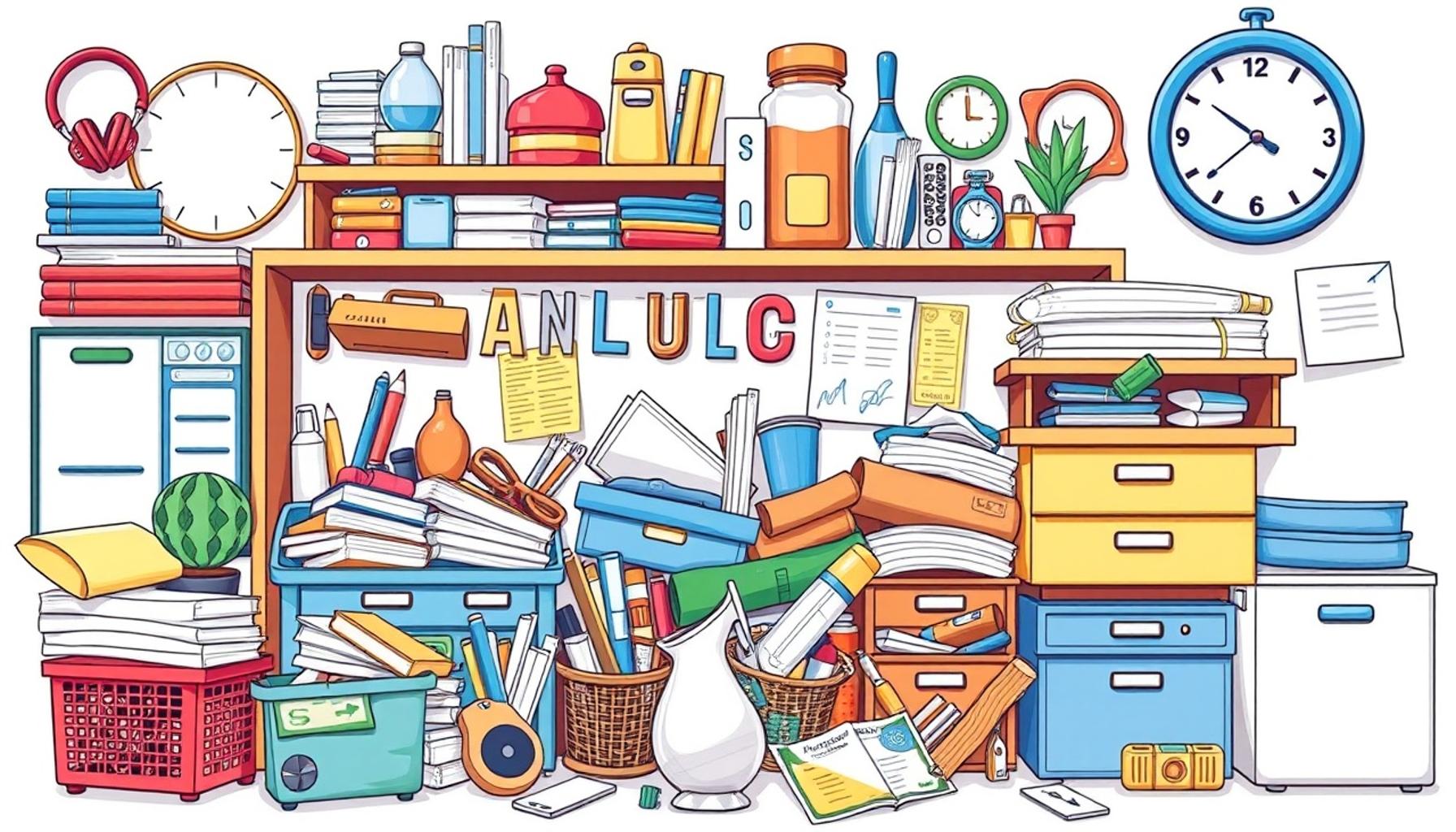
Living in a small space presents unique challenges and opportunities. The cramped quarters can often lead to overwhelming clutter, which not only impacts the appearance of your living environment but also affects your mental well-being. Specifically, the statistics reveal that a staggering 60% of homeowners are currently battling clutter in their homes. This persistent issue is far from trivial; a survey conducted by the American Institute of Stress indicates that an alarming 80% of individuals report feeling stressed due to disorganization. This emotional toll can lead to diminished productivity and a less enjoyable home life.
Interestingly, 53% of Americans have resorted to using their garages primarily as storage units rather than for parking their vehicles. This trend highlights a pervasive issue in suburban areas, where homeownership mixes with spatial constraints. As homes get filled with items that accumulate over the years, finding practical solutions to manage these belongings becomes ever more crucial. Without thoughtful organization, your sanctuary can quickly turn into a source of anxiety.
Strategies for Maximizing Vertical Space
One effective approach to reclaiming space is maximizing vertical storage. Shelves that stretch up to the ceiling offer a wealth of potential for storing books, decorative items, or even small appliances. Utilize wall-mounted racks or pegboards, which can transform bare walls into stylish storage solutions. For example, a simple wooden shelf above the desk can hold office supplies while adding character. Additionally, consider clever solutions like stacking storage bins or using tall dressers, which require minimal floor space while providing substantial storage.
Choosing Multi-functional Furniture
Another strategy includes investing in multi-functional furniture. Pieces such as a coffee table that doubles as a storage chest or a sofa bed can serve multiple purposes. These kinds of furniture allow for flexibility in smaller rooms. Take the example of a lift-top coffee table that not only provides a place for snacks during movie nights but also offers concealed space for blankets or books. By incorporating these versatile items, you can effectively reduce clutter while still maintaining a sense of style and comfort.
Sorting and Letting Go
A crucial part of decluttering is developing a strategy for sorting through your belongings and letting go of the items that no longer serve a purpose. The classic “one-year rule” suggests that if you haven’t used an item in the past year, it’s time to consider parting with it. Organizing your belongings into categories—keep, donate, and discard—can create a clear path forward. For instance, clothes that haven’t been worn can be donated to local charities like Goodwill or Salvation Army, allowing them to benefit others while making space in your home.
The journey to a more organized life is about embracing the possibilities that come with a decluttered space. By using these strategies, individuals can create a harmonious living environment that promotes tranquility and efficiency. Start today to explore these practical tips that not only assist in organization but can also lead to a refreshing transformation of your small living space.
Effective Storage Solutions for Small Spaces
When it comes to decluttering small spaces, the challenge often lies in finding innovative storage solutions that can accommodate your belongings without overwhelming the room. The Chicago-based organization expert and author, Rebecca West, emphasizes that “designing for the space you have” is the first step towards effective decluttering. Implementing smart storage practices can not only reduce chaos but also enhance the functionality of your living space.
Incorporating Built-in Storage
One of the most transformative improvements you can make is incorporating built-in storage. This method enables you to use space more efficiently by integrating storage solutions into your existing architecture. Consider the following built-in options:
- Under-stair drawers: Utilize this often-overlooked area by creating pull-out drawers for shoes, tools, or other essentials.
- Window seat storage: Install a window seat that doubles as a storage bench. Perfect for stowing away seasonal items or extra blankets, it also offers a cozy nook for relaxation.
- Wall nooks: Recessed shelves can be particularly beneficial in tight spaces. By creating shallow shelves in walls, you gain extra space without protruding into your living area.
These creative solutions offer not just organization but also leverage the often-neglected areas of your home.
Utilizing Hidden Spaces
Another effective technique is to maximize hidden spaces that can often go unnoticed. In small living areas, every inch counts, and creative approaches to hidden storage can make a significant difference. Here are a few suggestions:
- Furniture with hidden compartments: Consider ottomans or benches that contain storage space within. These can be both functional and stylish, reducing the need for additional furnishings.
- Bed risers: Elevate your bed to create the perfect area for storage bins underneath. This is particularly useful for items like shoes or seasonal clothing.
- Hang items creatively: Use the back of doors for hanging organizers, which can store anything from cleaning supplies to accessories, thus ensuring they don’t clutter your floors.
Organizing with Labels
As your decluttering efforts unfold, it is crucial to maintain organization, and labeling plays an essential role in this process. Labels not only streamline your searching process but also help other household members know where things belong. Research shows that homes with clearly labeled storage systems report a 30% increase in finding items quickly, ultimately reducing frustration over lost belongings.
Invest in a label maker or purchase stylish labels that can enhance the aesthetic of your containers while providing essential categorization. Consider labeling:
- Storage bins: An essential way to distinguish between categories like “Winter Gear” and “Office Supplies.”
- Closets: Labels can help you quickly locate items in a shared closet space, thus reducing time spent searching.
- Kitchens: Clearly marked bins for spices, snacks, and utensils can prevent chaos when cooking.
By exploring these effective storage solutions, individuals can reclaim their small spaces while fostering a harmonious and organized environment. Each strategy outlined not only assists in decluttering but also enhances the overall design, making for a more enjoyable home life.
| Practical Tips | Organizational Benefits |
|---|---|
| Utilize Vertical Space | Maximizes storage while keeping floors clear, enhances visual space. |
| Incorporate Multi-Functional Furniture | Enhances functionality as furniture serves dual purposes, reducing clutter. |
| Practice the ‘One In, One Out’ Rule | Maintains balance in possessions, promotes thoughtful purchases to avoid accumulation. |
| Use Clear Storage Bins | Increases visibility of items, facilitates easier access and organization. |
| Declutter Regularly | Prevents overwhelm and fosters a habit of maintaining organized spaces. |
When implementing these strategies for decluttering, it’s essential to remember that each small change can lead to a more organized and serene environment. For instance, utilizing vertical space may initially seem trivial, but it fundamentally transforms the perception of your space by drawing the eye upward and creating the illusion of greater dimensions. Similarly, incorporating multi-functional furniture not only aids in reducing visual clutter but also enhances the functionality of your living area, serving both aesthetic and practical purposes.By practicing the ‘one in, one out’ rule, individuals are encouraged to make deliberate purchasing decisions, which further keeps clutter at bay and enhances overall organization. Utilizing clear storage bins can simplify the way you manage your belongings; when items are visible, it becomes significantly easier to locate them without rummaging through numerous bags or drawers. Regular decluttering, meanwhile, ensures that the space remains manageable and free of unwanted items. These practical tips are not merely ways to create order; they are also pathways to enjoying a more spacious and peaceful living environment. Embracing these strategies invites a fresh start, shedding the unnecessary while inviting the essential into your small space.
Embracing Minimalism and Mindful Consumption
In the quest for decluttering, embracing a minimalist mindset can be a profound game changer. Minimalism isn’t just about owning fewer items; it is about making intentional choices regarding what you allow into your living space. As the popular author and minimalist expert, Joshua Becker, states, “The less we own, the less we have to organize.” Adopting a mindful consumption approach can help maintain order and prevent clutter from resurfacing.
Assessing Your Belongings
The first step in this mindful journey is conducting a thorough assessment of your belongings. Take a weekend to evaluate each item in your living space. Utilize the one-year rule: if you haven’t used it in the past year, consider letting it go. This technique encourages you to focus on items that hold real utility or joy. To make this practice easier, use a three-box system:
- Keep: Items you regularly use or cherish.
- Donate: Items in good condition that you no longer need.
- Discard: Broken or damaged goods that cannot be repaired.
This systematic approach not only simplifies the decision-making process but also enhances the emotional weight behind your belongings. By being selective, you naturally create a more organized environment.
Adopting the “One In, One Out” Principle
Once you’ve decluttered, maintaining that organization requires discipline. Implementing the “one in, one out” principle can be a highly effective practice. For every new item you bring into your home, commit to removing an existing one. This principle helps curtail excessive accumulation and prompts you to think critically about how new purchases will impact your space. It’s particularly useful in areas prone to clutter, such as:
- Kitchens: For instance, if a new appliance enters your pantry, consider donating an older one.
- Closets: A new pair of shoes could mean saying goodbye to an underused pair.
- Home Decor: Bringing in a new decorative vase? Reconsider where an existing decoration fits into your new vision.
Creating Functional Zones
Maximizing small spaces can also come down to organizing your home into functional zones. This concept allows you to delineate areas based on activity, which can simplify organization significantly. For example:
- Designate a Reading Corner: Utilizing a small chair and a shelf for books can create a relaxing retreat without consuming too much space.
- Establish a Work Zone: In a multipurpose room, having a specific area for work (complete with necessary supplies) can reduce clutter that comes from mixing tasks.
- Organize Household Supplies: Use containers in pantry spaces to separate cleaning supplies, laundry items, or pet products, thus preventing chaos.
This zoning creates visual clarity and order, which can help you quickly locate necessities, fostering a serene atmosphere in your home.
Integrating these principles of minimalism and mindful consumption into your life can be an eye-opening experience. By reassessing belongings, practicing the one in, one out rule, and designing functional areas, you’ll not only enhance the organization of your small space but also cultivate a living environment that brings peace rather than chaos.
Conclusion: Transforming Your Space into an Organized Haven
In a world where larger spaces are often viewed as synonymous with freedom and comfort, decluttering in small spaces proves that less truly can be more. By embracing the art of minimalism, adopting a mindful consumption approach, and implementing practical organizational techniques, you can transform your cozy quarters into an organized haven that promotes peace of mind and functionality. The strategies discussed—patterning your belongings, utilizing the one in, one out rule, and creating specific zones—offer a comprehensive framework for not just managing clutter, but preventing it from creeping back into your life.
Moreover, the psychological benefits of maintaining an organized small space cannot be overstated. A decluttered environment reduces stress, boosts productivity, and enhances the overall quality of your living experience. While the journey to a perfectly organized space may take time and effort, the positive impact on your daily life can be profound.
As you embark on your decluttering adventure, remember that organization is a journey, not a destination. The key is to remain flexible, regularly reassess your belongings, and allow for adjustments as your lifestyle evolves. Discovering the balance between function and aesthetic is essential, as this will lead to a space that not only looks good but feels like home. Dive into this journey of simplification, and watch how your small space can flourish into a sanctuary of clarity and creativity.

Beatriz
Beatriz Johnson is a seasoned minimalist and writer with a passion for simplifying the complexities of personal organization and intentional living. With over a decade of experience in decluttering strategies and mindful consumption, she specializes in topics like space optimization, habit simplification, and sustainable lifestyle choices. Through her work on our website, Beatriz empowers readers to embrace minimalism, reduce mental and physical clutter, and create more meaningful, organized lives in today's fast-paced world.