The Importance of Intentional Spaces in Creating a Minimalist Environment
The Rise of Intentional Spaces
In an era dominated by constant notifications and overwhelming information, the creation of intentional spaces has become more than just a trend; it is a necessity for many seeking clarity in their chaotic lives. These areas, meticulously curated to foster positivity and peace, hold the potential to enhance our mental and emotional well-being substantially. The benefits of dedicating specific areas to intentional living cannot be overstated, and as such, a deeper examination of their characteristics and impacts is warranted.
Intentional spaces can be understood as environments that are carefully designed with a specific purpose in mind, focusing on clarity and serenity. This is particularly critical in a fast-paced society where distractions are prevalent. One of the crucial aspects of creating an intentional space is its functionality: every item in the space is selected for its utility, helping to minimize clutter and streamline daily activities. For instance, modern minimalist kitchens often feature open spaces with only essential utensils and appliances visible, promoting efficiency in meal preparation and a calm atmosphere.
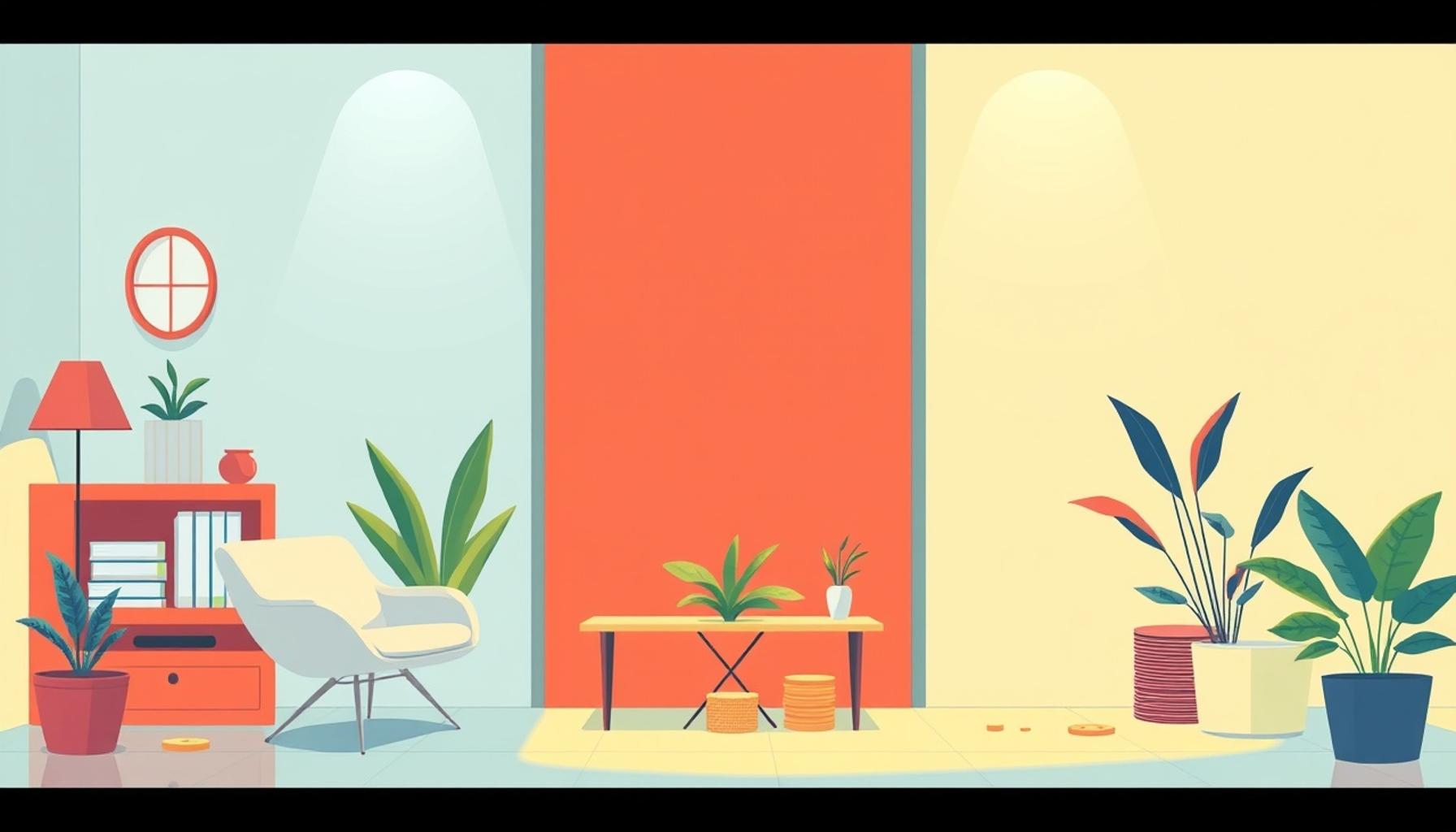
Another hallmark of these spaces is the principle of mindfulness. Intentional spaces encourage users to engage consciously with their environment, nurturing a sense of calm and presence. For example, many individuals incorporate plants, natural light, and soothing colors into their homes to evoke tranquility and enhance their overall mood. Research indicates that the presence of greenery can lower stress levels and promote a more positive outlook on life, underlining the efficacy of mindful design.
Aesthetic appeal plays a significant role as well. The visual elements of an intentional space are not merely for decoration; they are designed to foster feelings of comfort and tranquility. Spaces that incorporate clean lines, neutral color palettes, and harmonious layouts can significantly influence a person’s state of mind. In fashioning these areas, many draw inspiration from the Scandinavian philosophy of Hygge, which champions coziness and simplicity.
In the United States, the movement towards minimalism has been palpable, with an increasing number of individuals embracing the ethos behind intentional living. Influences such as the tiny home movement have made significant strides, promoting not only smaller living spaces but also the idea of living with less. According to a survey, 78% of Americans feel overwhelmed by clutter, prompting a desire for change. By cultivating intentional spaces within their homes or workplaces, many find a path toward reducing mental stress and enhancing productivity—key factors that contribute to a healthier lifestyle.
As we navigate modern life, understanding the value of intentional spaces can guide us toward creating environments that reflect simplicity and purpose. This transformation not only alleviates stress but also sets the stage for increased creativity and efficiency in our daily routines. Are you prepared to delve into the enlightening journey of designing your own intentional space?
Key Elements of Intentional Spaces
Creating an intentional space is not just about aesthetic choices; it involves a thoughtful approach to designing an environment that enhances well-being and reduces mental clutter. The implementation of key elements can significantly influence how individuals interact with their spaces, making it essential to understand what these elements are and how they contribute to a minimalist lifestyle.
Functional Design
At the heart of any intentional space is functional design. This concept emphasizes the necessity of each item within an environment, ensuring that every element serves a purpose while simultaneously contributing to the overall harmony of the space. Functional design helps eliminate visual noise—a common byproduct of cluttered environments. Consider a home office setup, for instance. By prioritizing only the essential tools like a quality desk, an ergonomic chair, and a streamlined computer setup, individuals can create a workspace conducive to focus and productivity. This purposeful selection not only facilitates a more efficient workflow but also promotes a clear mindset.
Mindfulness and Connection to Nature
Integrating principles of mindfulness into an intentional space involves curating an atmosphere that encourages presence and calm. The incorporation of natural elements is central to this practice. Research has shown that workplaces infused with plants can increase productivity by as much as 15%, showcasing how even small touches of greenery can transform an environment. Natural lighting also plays a pivotal role, as exposure to sunlight has been linked to improved mood and reduced feelings of anxiety. Simple adjustments—like adding a few plants or choosing sheer curtains that allow natural light to flood in—can significantly enhance one’s experience of their space.
Aesthetic Harmony
A perfect blend of form and function establishes aesthetic harmony within intentional spaces. A clean, uncluttered look paired with a consistent color scheme can evoke feelings of peace and organization. The principles of minimalist design suggest that less is often more; thus, fewer, thoughtfully chosen decor items that resonate personally are preferable to a prevalent display of trinkets. This aesthetic philosophy is reflected in many contemporary U.S. homes, where open floor plans and muted color palettes reign supreme, offering a serene backdrop for daily life.
- Functional Design: Ensure every element serves a purpose.
- Mindfulness: Incorporate natural elements like plants and maximize natural light.
- Aesthetic Harmony: Maintain a consistent color scheme and minimal decor.
As individuals evoke their intentional spaces, the benefits become evident not just in physical clarity, but in mental and emotional well-being as well. The conscious acts of surrounding oneself with purpose-driven items and fostering a connection to nature contribute to a greater sense of ease and fulfillment. By recognizing and embracing these key elements, each of us can embark on a rewarding journey toward transforming our environments into intentional havens in line with minimalist ideals.
| Advantages | Impact on Minimalism |
|---|---|
| Enhanced Clarity | Intentional spaces reduce distractions, allowing for greater focus and productivity. |
| Emotional Well-being | A minimalist environment fosters serenity, which can lead to improved mental health. |
| Improved Space Utilization | Maximizes functionality of each area, allowing for better organization and accessibility. |
| Increased Creativity | An intentional space encourages innovative thinking by providing a clean slate. |
In exploring the significance of intentional spaces within a minimalist environment, one must acknowledge that these structured areas not only serve a functional purpose but also significantly influence the emotional and psychological state of individuals. By incorporating strategy and design into how spaces are created and maintained, one can foster a sense of calm and balance. This leads to enhanced clarity frequently desired in today’s fast-paced world. The impact of emotional well-being cannot be overstated; a thoughtfully planned space minimizes chaos, thereby promoting serenity and boosting overall mental health.Moreover, space utilization plays a critical role in achieving a minimalist lifestyle. By ensuring every item and location is thoughtfully positioned, individuals benefit from decreased clutter and increased efficiency in their daily routines. Finally, the essence of creativity thrives in environments stripped of excess—inviting new ideas while shielding minds from overwhelming distractions. Delving deeper into these elements undeniably reveals the transformative power of intentional spaces, encouraging further exploration of their profound benefits.
Emotional Impact of Intentional Spaces
The design of an intentional space goes beyond functionality and aesthetics; it also profoundly affects emotional health. Emotional impact plays a crucial role in how individuals experience their environments, influencing everything from stress levels to productivity. By curating spaces that align with personal values and emotional needs, individuals can foster a sense of belonging and tranquility amidst the chaos of everyday life.
Personal Reflection and Connection
Creating personalized spaces is integral to fostering a sense of connection and ownership. This process involves selecting decor and furnishings that resonate personally and evoke positive memories or feelings. For instance, incorporating family photographs, inspiring artwork, or meaningful objects can infuse a space with a sense of identity and warmth. Psychologists suggest that personal reflection through space can boost self-esteem and enhance emotional well-being. A minimalist approach toward these items—selecting only those that evoke positive emotions—ensures that the space remains uncluttered while still serving as a personal sanctuary.
Balance and Freedom
An intentional space empowers individuals to experience balance in their daily lives. In America’s fast-paced lifestyle, where the demands of work and personal life often blur, carving out a sanctuary becomes essential for mental clarity. An intentional space can facilitate moments of respite and rejuvenation, offering an escape from external pressures. Studies indicate that environments designed with the intent to promote relaxation—such as reading nooks with plush seating, soft lighting, and minimal distractions—lead to reduced cortisol levels, contributing to lower stress and increased life satisfaction. By acknowledging the importance of balance, individuals can transform their homes into serene retreats that inspire calm.
Enhanced Creativity and Productivity
Another significant benefit of intentional spaces is their ability to stimulate creativity and enhance productivity. Research has demonstrated that a well-organized, purpose-driven environment gives individuals the freedom and clarity to think creatively. Many entrepreneurs and innovators design their workspaces to encourage unique thought processes—Toyota’s headquarters, for example, embraces open spaces that inspire collaboration and innovative thinking. By removing distractions and decluttering their surroundings, individuals can fully engage with their projects, leading to breakthroughs and enhanced focus. The placement of functional elements, alongside motivational quotes and inspiring visuals, can further amplify a space’s creative potential, making it a powerful area for ideation.
- Personal Reflection: Use items that evoke positive emotions to create a sense of connection.
- Balance: Design spaces that promote relaxation and offer an escape from daily stressors.
- Enhanced Creativity: Organize areas to foster focus, motivation, and innovative thinking.
The emotional impact of intentional spaces extends far beyond mere aesthetics; it touches the core of how individuals relate to their environments and themselves. By recognizing the profound effects of these spaces, individuals can take actionable steps toward creating personalized sanctuaries that inspire peace, productivity, and creativity within a minimalist lifestyle.
Conclusion
In summary, the significance of intentional spaces in cultivating a minimalist environment cannot be understated. These spaces – carefully curated and aligned with personal values – serve not just as functional areas but also as emotional havens that nurture our mental well-being. By selecting decor that resonates personally, we not only create connections between our surroundings and our identities but also enhance our emotional health.
Moreover, intentional spaces promote a sense of balance in our often chaotic modern lives. They offer a much-needed escape from everyday stressors, allowing individuals to pause, reflect, and recharge. Research indicates that a tranquil atmosphere can lower stress levels and increase life satisfaction, contributing to a holistic sense of harmony in our lives. Furthermore, the potential for enhanced creativity and productivity in these organized settings encourages individuals to engage fully with their passions and projects. It is evident that an intentional approach fosters an ecosystem where innovation thrives.
As we consider the impact of our environments on well-being, we might reflect on how intentional spaces serve as not only a refuge but also a catalyst for transformation. Embracing the principles of minimalism through thoughtful design can lead to a more fulfilling existence. Ultimately, by prioritizing intentional spaces, we cultivate personal sanctuaries that echo with peace, creativity, and authenticity, encouraging others to explore the profound benefits of this mindful lifestyle. As we move forward, it is clear the dialogue surrounding intentional spaces will only grow richer and more vital.

Beatriz
Beatriz Johnson is a seasoned minimalist and writer with a passion for simplifying the complexities of personal organization and intentional living. With over a decade of experience in decluttering strategies and mindful consumption, she specializes in topics like space optimization, habit simplification, and sustainable lifestyle choices. Through her work on our website, Beatriz empowers readers to embrace minimalism, reduce mental and physical clutter, and create more meaningful, organized lives in today's fast-paced world.