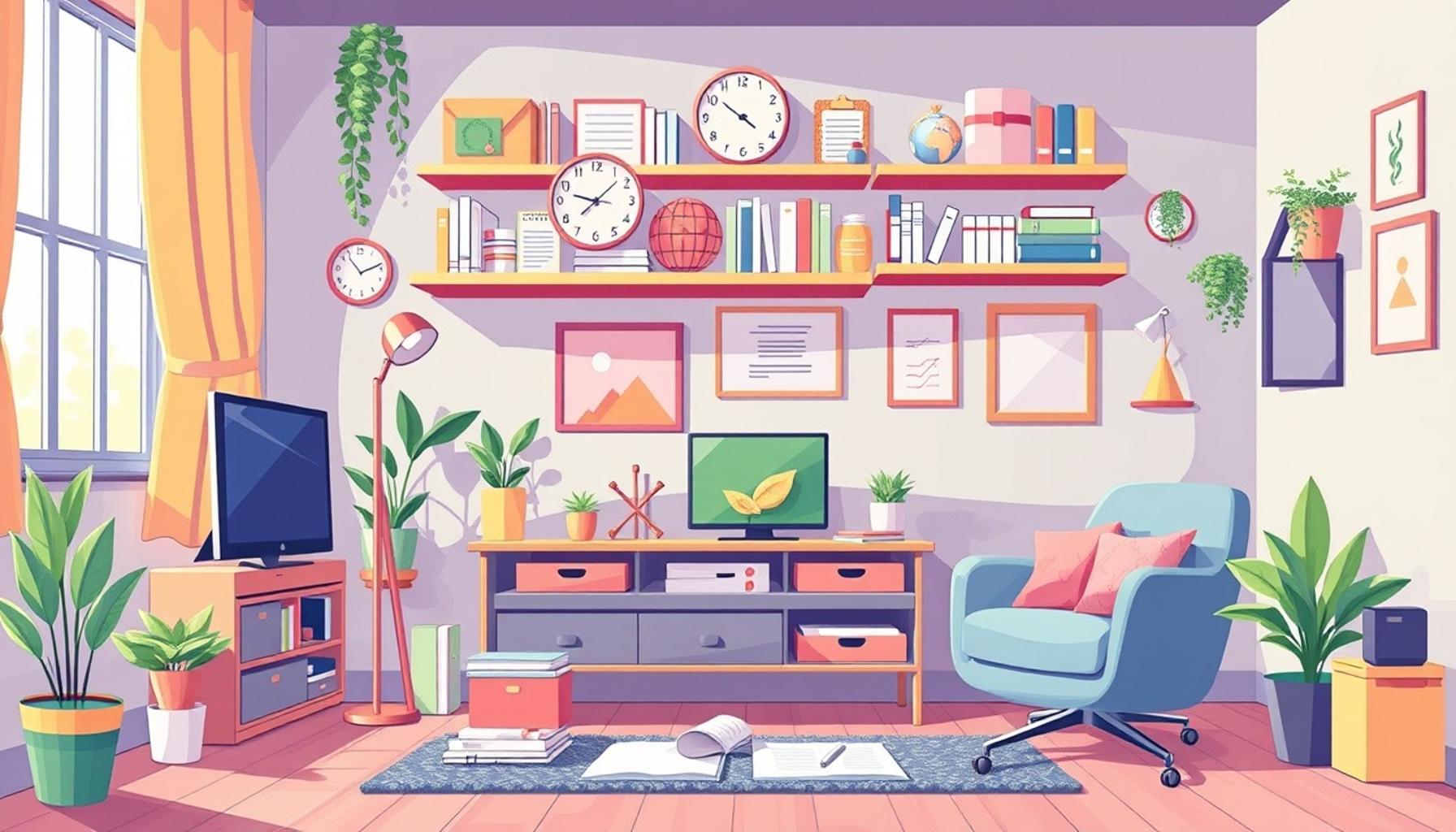
Creating Intentional Spaces: The Intersection of Minimalism and Personal Organization
Understanding Intentional Spaces
In today’s fast-paced world, creating intentional spaces has become a necessity rather than a luxury. Many individuals seek ways to harmonize their living and working environments through the principles of minimalism and personal organization. This growing trend is not just about aesthetics; it reflects a deep desire for clarity, functionality, and peace in our daily lives.
The Quest for Clarity
Embracing a minimalist lifestyle offers several advantages that contribute to mental health and productivity. For instance, when you surround yourself with fewer distractions, such as excess décor and clutter, you can enhance your ability to focus on tasks at hand. This improved concentration helps in achieving higher efficiency at work or in personal endeavors.
Furthermore, a minimalist environment can lead to increased creativity. In spaces free from visual clutter, the mind is more open to novel ideas and innovative solutions. Think about the serene interiors that tech giants like Apple have adopted in their office designs; all of which contribute to an environment that stimulates creativity and collaboration.
Moreover, the impact on well-being cannot be understated. A well-organized and serene setting can significantly reduce stress levels, allowing individuals to unwind and recharge. Studies have shown that environments with natural light and a minimalist design can enhance overall life satisfaction, making it essential to curate our spaces mindfully.
Personal Organization Strategies
To achieve this state of tranquility and effectiveness, implementing effective personal organization techniques is crucial. Start by actively decluttering regularly, which means having a conscious effort to keep only items that add genuine value to your life. This practice can be liberating; consider a closet filled with clothes you never wear—parting with such items can lead to a sense of lighter living.
Another effective technique is establishing zones in your living or workspaces. By designating areas for specific tasks—such as a reading nook or a quiet workspace—you can streamline your activities and create an efficient workflow. This zoning method is particularly useful in smaller homes or apartments, where space is at a premium.
Lastly, making use of smart storage solutions can aid in maintaining order within your environment. Think multifunctional furniture, like ottomans that double as storage boxes, or wall-mounted shelves to keep items off the floor. These strategies not only maximize space but also contribute to a visually appealing and organized setting.
As you explore these principles, consider how your own environment can transform through intentional design. This article delves into the captivating intersection of minimalism and personal organization, guiding you toward a more intentional life. By integrating these ideas into your daily routine, you can craft your own sanctuary that invites clarity and purpose.
The Art of Designing Intentional Spaces
Creating intentional spaces is a nuanced art that intertwines both minimalism and personal organization. Understanding how these two principles interact can lead to transformative changes in your environment and, subsequently, your mindset. By strategically planning our surroundings, we can cultivate spaces that not only reflect our values but also enhance our productivity and well-being.
Decluttering with Purpose
At the core of intentional space design lies the practice of decluttering. This process extends beyond merely removing physical items; it involves a thorough assessment of what we truly need. Begin by adopting the following steps to streamline your possessions:
- Evaluate Each Item: Ask yourself if the item brings you joy or serves a practical function. If not, consider parting with it.
- Establish a “One In, One Out” Rule: For every new item you bring into your space, ensure that one old item is removed. This prevents accumulation.
- Schedule Regular Decluttering Sessions: Set a monthly reminder to reassess your belongings and keep your space intentional.
Incorporating these tactics can produce significant emotional and psychological benefits. Not only does decluttering enable a cleaner physical space, but it also contributes to a clearer mental outlook, allowing room for creativity and focus.
The Power of Functional Design
Once you’ve established a decluttered environment, the next step is to incorporate functional design elements. This concept emphasizes the effective use of space while ensuring that every piece serves a purpose. Here are a few design principles to enhance your intentional spaces:
- Natural Lighting: Position workspaces near windows to harness the benefits of natural light, which can boost mood and productivity.
- Color Psychology: Choose colors that evoke the desired emotional response. Soft blues can promote calm, while vibrant yellows may ignite creativity.
- Biophilic Elements: Integrate plants into your environment. Studies indicate that greenery can improve air quality and enhance overall happiness.
Moreover, smart use of vertical space, such as high shelves or pegboards, can optimize organization while minimizing visual clutter. Remember, creating these intentional spaces goes beyond mere appearance; it’s about forming an environment that resonates with your personal goals and fosters motivation.
The Balance Between Functionality and Aesthetics
Ultimately, the intersection of minimalism and personal organization encourages a balance where functionality meets aesthetics. An effectively organized space is one that not only simplifies life but also nurtures the soul. By examining our relationship with material possessions and striving for streamlined, purposeful design, we lay the groundwork for a life that is enriched by clarity and intention.
As you sift through your belongings and cultivate your space, consider how these strategies can redefine your living and working environments. The exploration of intentional spaces is an ongoing journey, promising a deeper connection to ourselves and our surroundings.
| Advantages | Key Features |
|---|---|
| Enhanced Focus | A minimalist environment reduces distractions, allowing for greater concentration on tasks. |
| Increased Clarity | Organized spaces facilitate a clearer mindset, promoting efficiency and planning. |
| Stress Reduction | Simplified spaces can lower anxiety levels, contributing to a more peaceful atmosphere. |
| Optimal Utilization | Thoughtfully organized items ensure no space is wasted, enhancing functionality. |
In the context of “Creating Intentional Spaces: The Intersection of Minimalism and Personal Organization,” these advantages illustrate how a balanced approach can vastly improve productivity and well-being. Individuals focusing on intentionality in their environments often experience a profound transformation in daily routines. The intersection of minimalism and personal organization encourages various compelling practices like systematic decluttering, which promotes mindfulness, allowing for reflective time in our fast-paced lives. The combination also opens discussions on sustainable living, advocating for quality over quantity in our possessions and fostering a commitment to mindful consumption.As readers delve deeper into these principles, they may uncover practical methodologies for implementation that resonate personally, transforming their environments—and consequently, their lives—into more harmonious spaces reflecting their true self. This exploration of intentionality not only leads to personal efficiency but invites a broader cultural shift towards valuing curated living spaces.
Embracing Mindfulness in Our Spaces
As we delve deeper into the relationship between minimalism and personal organization, it’s essential to consider the role of mindfulness in creating intentional spaces. Mindfulness is the practice of being present and fully engaged with the moment, and when applied to our environments, it can drastically reshape how we interact with our belongings and surroundings.
Cultivating a Mindful Approach
Adopting a mindful approach to your space begins with intentionality and awareness. Here are several strategies to help infuse mindfulness into your daily surroundings:
- Observe with Curiosity: Take time to walk through your space and observe how each item makes you feel. Do certain objects evoke positive feelings while others bring stress? This curiosity will guide informed decisions regarding what to keep or let go.
- Incorporate Rituals: Establish daily rituals that foster mindfulness, such as a morning coffee routine in a tidy kitchen or a moment of reflection before heading into a workspace. These rituals help ground you and strengthen the connection to your space.
- Create a Gratitude Corner: Designate a small area in your home where you can display items that hold sentimental value or that you’ve curated with intention. A gratitude corner can serve as a daily reminder of what truly matters in your life.
Practicing mindfulness in your environment engenders a deeper understanding of your possessions, allowing for a more intentional and less cluttered life, ultimately aligning your space with your core values.
Personalization Through Intention
Another key aspect of designing intentional spaces lies in the element of personalization. While minimalism champions simplicity, the goal is not to strip spaces of all character but rather to curate a collection that resonates with who you are. Here are effective ways to weave personalization into your intentional spaces:
- Reflect Your Identity: Surround yourself with items that represent your beliefs, experiences, and interests. Whether artwork that speaks to you or books that influence you, these items increase your connection to the space.
- Functional Yet Unique Furnishings: Invest in furniture that marries functionality with style. For instance, multipurpose pieces like a stylish ottoman that offers both storage and seating can amplify minimalism while maintaining individuality.
- Seasonal Decor: Rotate your decor based on seasons or personal milestones. This practice ensures your spaces remain relevant to your life journey while preventing stagnation.
This consideration for personalization enables one to maintain a minimalist aesthetic while creating unique spaces that tell a story and foster emotional well-being.
Digital Organization as an Extension of Space
In today’s digital age, the concept of creating intentional spaces extends beyond physical surroundings to our digital environments. Each app, file, and notification contributes to our daily distractions, thus necessitating a structured approach to digital organization. Here are tactics to make your digital space intentional:
- Declutter Your Digital Devices: Regularly assess apps, files, and emails for relevancy and importance. Uninstall or delete what you no longer use or need to promote focus.
- Utilize Organizational Tools: Software like Trello or Notion can help streamline tasks and notes. Creating clearly defined categories aids in reducing overwhelm.
- Set Digital Boundaries: Schedule specific times to check devices. This limits distractions while reinforcing a sense of control over your digital environment.
In essence, the act of aligning digital minimalism with personal organization encourages a holistic view of our intentional spaces, reinforcing the parallels between the virtual and physical worlds.
Conclusion: Harmonizing Minimalism and Personal Organization
In a world that often feels overwhelming with excess and noise, creating intentional spaces emerges as a vital practice for enhancing our well-being and productivity. The intersection of minimalism and personal organization not only advocates for a reduction of clutter but also emphasizes the need for spaces that genuinely reflect our personal values and identities. By embracing mindfulness and personalization, we can curate environments that inspire clarity, focus, and a sense of belonging.
The journey to intentionality begins with observation and reflection—asking ourselves which items and digital distractions contribute positively to our lives and which do not. We can foster a sense of calm and presence through simple rituals, allowing our spaces to serve as sanctuaries rather than sources of anxiety. Moreover, integrating personalized elements that resonate with our experiences and tastes adds depth to minimalist aesthetics, ensuring that our homes and workspaces tell our unique stories.
As we navigate the complexities of modern life, the impact of organization extends beyond physical spaces; it permeates into our digital realms as well. Maintaining a clean digital environment is equally essential, creating a harmonious balance between our online and offline lives. Ultimately, by actively engaging in the process of creating intentional spaces, we pave the way for a more meaningful existence—one that maximizes functionality while celebrating personal narratives. So, take time to reflect, declutter, and design a space that serves as a true reflection of who you are—because intentionality is the key to creating a life you love.

Beatriz
Beatriz Johnson is a seasoned minimalist and writer with a passion for simplifying the complexities of personal organization and intentional living. With over a decade of experience in decluttering strategies and mindful consumption, she specializes in topics like space optimization, habit simplification, and sustainable lifestyle choices. Through her work on our website, Beatriz empowers readers to embrace minimalism, reduce mental and physical clutter, and create more meaningful, organized lives in today's fast-paced world.