Intentional Spaces for Well-Being: Incorporating Relaxation Practices into a Minimalist Lifestyle
The Importance of Intentional Spaces for Mental Health
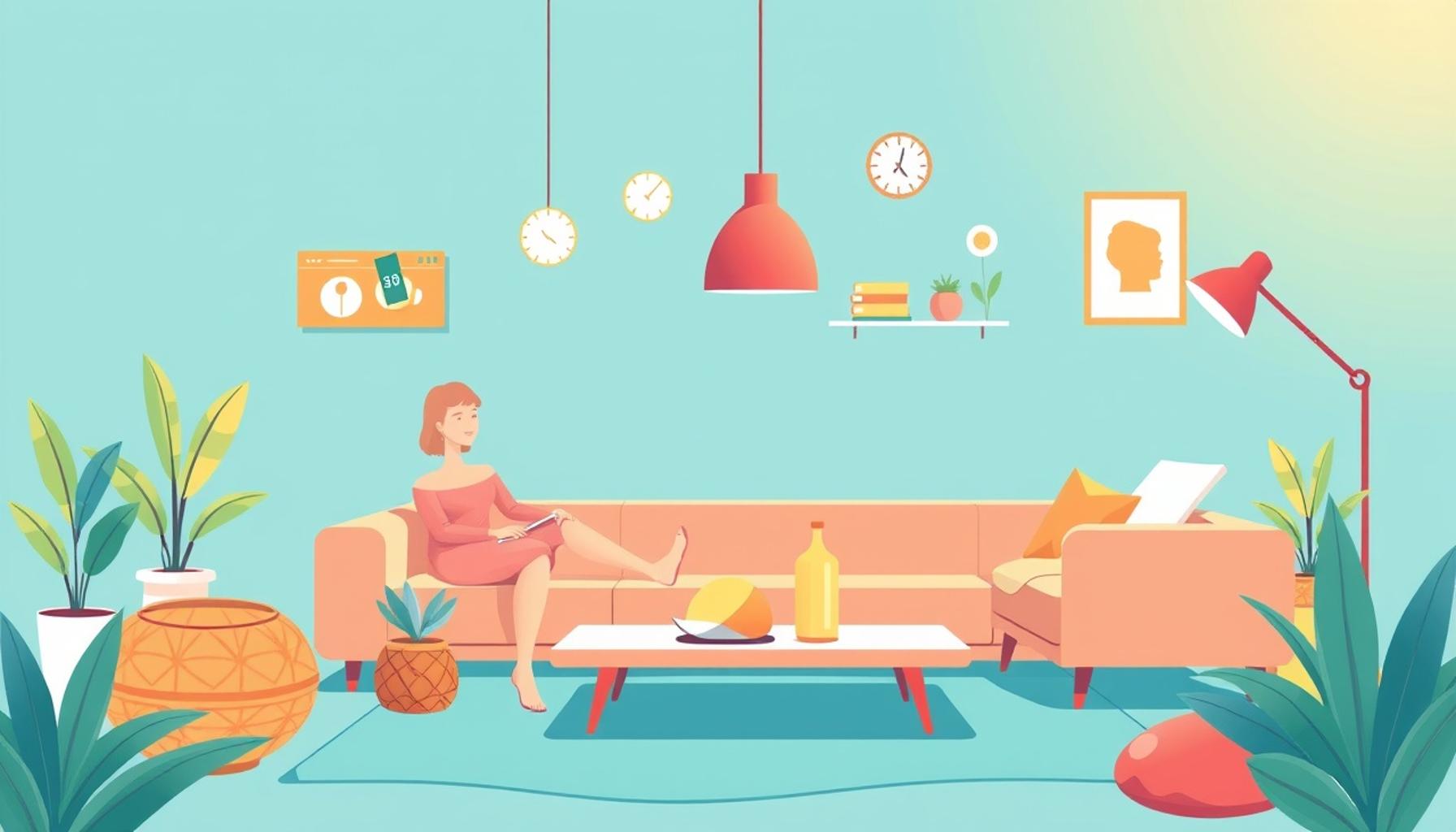
In an era where life’s demands often pull us in multiple directions, the creation of intentional spaces that prioritize well-being has risen to critical importance. As the philosophy of minimalism gains traction, individuals are uncovering how to design their environments to foster relaxation and mindfulness. These thoughtfully curated spaces are not mere trends; they serve as vital sanctuaries for nurturing both body and spirit amidst the noise of daily life.
To fully harness the potential of these intentional spaces, it is essential to focus on several foundational elements:
- Decluttering: This practice goes beyond simply tidying up. Research has shown that a cluttered environment can lead to increased stress and anxiety levels. By actively removing items that do not serve a purpose or bring joy, individuals can create an atmosphere of calm, allowing the mind to breathe and unwind.
- Natural Light: Exposure to natural light significantly influences mood and energy. Studies indicate that daylight can strengthen our circadian rhythms, aiding sleep and enhancing overall health. Incorporating elements like large windows, skylights, or even mirrors to reflect light can transform a space into a vibrant, energizing environment.
- Mindful Decor: Every item in your space speaks volumes. Choosing decor that resonates personally can evoke feelings of peace and contentment. This might include artwork that inspires, photographs of loved ones, or even textiles that provide comfort. These elements remind us of what matters most as we navigate through our daily lives.
Integrating relaxation practices into daily routines can further amplify the positive effects of these spaces. Notable strategies include:
- Daily Meditation: Allocating a few moments each day to meditate can improve mental clarity and emotional stability. Practicing mindfulness in a dedicated area within your home—a corner adorned with cushions, soft lighting, and calming scents—can enhance the experience.
- Yoga: Engaging in gentle, mindful movement helps release physical tension and promotes mental resilience. A designated space for yoga, equipped with mats and props, encourages regular practice and reinforces the importance of self-care.
- Nature Integration: Biophilic design principles highlight the benefits of connecting with nature indoors. Incorporating houseplants or decorative elements like natural wood and stone can create a soothing atmosphere, promoting both relaxation and concentration.
As we explore the relationship between minimalism and mental well-being, it’s evident that our living environments play a pivotal role in shaping mental health. With intentional design choices, individuals can unlock the potential for inner peace and happiness. Therefore, this article encourages exploring practical ideas and examples to transform your space into a sanctuary dedicated to relaxation and rejuvenation. By taking simple yet deliberate steps, you can cultivate an intentional space that not only looks pleasing but also enriches your life profoundly.
Crafting Intentional Spaces for Everyday Mindfulness
As we delve into the practices that enhance well-being within a minimalist lifestyle, it becomes clear that the environment plays a crucial role in shaping our daily experiences. Intentional spaces are not simply about aesthetics; they are designed to promote mental clarity and emotional well-being. By consistently integrating relaxation techniques into these spaces, we can cultivate a peaceful sanctuary that nurtures our inner selves amidst the chaos of modern living.
One of the most effective ways to create these environments is through the incorporation of design principles that enhance calmness and relaxation. The following elements can transform any area in your home into a haven of tranquility:
- Color Psychology: The colors surrounding us have a profound effect on our mood and behavior. Soft, muted tones such as blues, greens, and earth hues are associated with calmness and serenity. When planning your space, consider selecting a color palette that promotes relaxation and reflects the natural world, contributing to a stress-free atmosphere.
- Soundscapes: Sound can significantly influence how we engage with our surroundings. Incorporating elements that contribute to soothing soundscapes—like water features, soft music, or even nature sounds—can enhance relaxation. Creating a sensory experience that includes auditory relaxation techniques can transform your intentional space into a calming retreat.
- Comfortable Seating: The furniture we choose for our intentional spaces should invite comfort and a serene state of mind. Simple, well-crafted seating options, such as meditation pillows, floor cushions, or an inviting lounge chair, encourage prolonged relaxation. When designing your space, think about how the seating arrangement can promote restfulness and ease.
Beyond aesthetics, incorporating practical relaxation practices into your daily routine can further enrich the benefits of these intentional spaces. Here are several practices that can easily fit into a minimalist lifestyle:
- Breathing Exercises: Mindful breathing is a powerful tool for reducing stress. Dedicating a few minutes to deep breathing in your thoughtful space can ground and center you, making it easier to face the day’s challenges.
- Gratitude Journaling: Taking the time to reflect on positive experiences or express gratitude can shift your focus, filling your intentional space with positivity. A cozy nook with a dedicated journal can encourage daily writing, enhancing your overall sense of well-being.
- Movement Breaks: Whether it’s a quick stretch or a brief walk outside, integrating movement into your day can revitalize your mind and body. Designating areas for movement, such as a yoga mat or open floor space, can motivate you to take these breaks regularly.
Ultimately, the process of creating intentional spaces goes hand-in-hand with the intentionality of our daily practices. As we understand the interconnected nature of our environments and mental health, we can make concerted choices that recognize well-being as a multifaceted journey. By embracing both minimalist design and mindful routines, we can manifest spaces that cultivate peace, clarity, and a deeper connection to ourselves.
| Advantages | Key Features |
|---|---|
| Enhanced Focus | Creating intentional spaces helps reduce distractions, enhancing clarity and productivity in daily tasks. |
| Stress Reduction | Incorporating relaxation practices such as meditation or deep breathing within your minimal spaces can significantly lower stress levels. |
| Improved Creativity | A minimalist environment fosters creative thinking by offering a less cluttered mental space. |
| Mindful Living | Living intentionally encourages a mindful lifestyle, promoting awareness of your surroundings and actions. |
The exploration of intentional spaces directly ties into various aspects of well-being, reflecting the core principles of a minimalist lifestyle. By fostering environments that emphasize simplicity, individuals can engage in practices that promote mental clarity and emotional balance. Enhanced focus becomes prevalent as distractions are minimized, enabling deeper engagement with daily tasks and creative projects. Furthermore, stress reduction is a notable benefit when dedicated spaces are utilized for relaxation techniques like meditation or breathing exercises. These elements contribute to improved overall wellness and promote a lifestyle that values intentionality over excess. With enhanced creativity and mindful living at the forefront, individuals discover that even within simplicity, profound benefits can manifest. This journey not only enhances daily living but cultivates a richer understanding of one’s needs and desires. Dive deeper into the harmonious relationship between minimalist living and well-being to uncover transformative practices tailored to your lifestyle.
Enhancing the Serenity of Your Intentional Spaces
To truly foster well-being within our minimalist living environments, an awareness of natural elements can greatly enhance our intentional spaces. Biophilic design—the practice of connecting interior spaces with nature—can have profound psychological benefits. Research indicates that spending time in nature can reduce stress levels, enhance mood, and improve cognitive function. Therefore, integrating natural materials and elements into your home can create an inviting ambiance that promotes relaxation.
Consider these approaches to incorporate natural elements into your intentional spaces:
- Indoor Plants: Houseplants not only purify the air but also infuse life into your space. Varieties such as peace lilies, spider plants, or succulents require minimal care while offering significant aesthetic and mental rewards. These living elements can bridge the gap between outdoor tranquility and indoor living.
- Natural Lighting: The importance of light in our environments cannot be overstated. Exposing your space to natural light can help to regulate circadian rhythms, positively affecting mood and energy levels. When constructing your intentional spaces, strategically positioned windows or light-filtering curtains can help maximize daylight while reducing the need for artificial lighting.
- Natural Textures: Materials such as wood, stone, and bamboo can evoke a sense of grounding and balance. Incorporating these textures in furniture, decor, or even flooring can offer tactile and visual relief from our digitally dominated, fast-paced world.
While an attractive space plays a key role in fostering well-being, the rituals we adopt in these environments are equally vital. Mindful rituals are practices that enable us to engage meaningfully and intentionally with our surroundings. Here are a few practices that complement the serene atmosphere of your intentional spaces:
- Guided Meditation: Incorporating a specific corner in your home dedicated to meditation can enhance your ability to focus and relax. There are many apps and online resources available that offer guided meditations tailored to varying levels of experience. A designated time in your intentional space can solidify meditation as a daily ritual.
- Mindful Eating: Transforming mealtime into a mindful practice by being present and embracing each bite can drastically shift our relationship with food. Setting a clean, clutter-free table with no distractions can enhance this experience, allowing you to savor not just the meal, but also the atmosphere around you.
- Aromatherapy: Utilizing essential oils not only creates a pleasing scent but also promotes relaxation and tranquility. Consider incorporating a diffuser or candles with natural scents, such as lavender or eucalyptus, which have calming effects that can complement relaxation practices.
Furthermore, the flow of your intentional spaces should support not just relaxation but also facilitate transitions between tasks and practices. Thoughtful layout planning can turn these areas into multifunctional zones that adapt to your needs, whether for work, relaxation, or mindfulness practices. Closed storage solutions can help minimize clutter, creating an inviting and serene atmosphere.
In essence, the journey to developing an intentional space that encourages well-being is ongoing. By continuously evaluating and fine-tuning our environments and routines, we can better align our physical surroundings with our mental and emotional needs. Implementing both natural elements and mindful rituals into our minimalist lifestyles expands our capacity for peace and contentment, reinforcing the importance of intentional living in a world that often feels overwhelming.
Final Thoughts on Intentional Spaces for Well-Being
As we navigate the complexities of modern life, the concept of intentional spaces emerges as a sanctuary for cultivating well-being amidst the chaos. By adopting a minimalist lifestyle infused with relaxation practices, individuals can create environments that not only reflect their values but also support mental, emotional, and physical health. Remember, the integration of natural elements—such as greenery, light, and tactile textures—serves to bridge the gap between nature and home, fostering a sense of calm and grounding.
Moreover, the establishment of mindful rituals within these spaces is key to enhancing our overall experience of living. From dedicated meditation corners to mindful eating practices, the simple act of engaging with our surroundings can transform our psyche and lead to a more harmonious existence. In doing so, we allow ourselves the opportunity to reconnect with what truly matters—our health and well-being.
As we move forward in this ongoing journey, it is crucial to recognize that our intentional spaces are dynamic and should evolve with our needs. Each adjustment—be it a change in decor or a new ritual—represents an opportunity to deepen our relationship with ourselves and our environments. In a world overflowing with distractions, creating intentional spaces for well-being leads us to a place of peace and fulfillment, empowering us to thrive in the life we choose to cultivate.

Beatriz
Beatriz Johnson is a seasoned minimalist and writer with a passion for simplifying the complexities of personal organization and intentional living. With over a decade of experience in decluttering strategies and mindful consumption, she specializes in topics like space optimization, habit simplification, and sustainable lifestyle choices. Through her work on our website, Beatriz empowers readers to embrace minimalism, reduce mental and physical clutter, and create more meaningful, organized lives in today's fast-paced world.