Intentional Spaces in Family Life: Creating Environments that Promote Connection and Harmony
Understanding Intentional Spaces
In today’s fast-paced world, creating intentional spaces within the home is more important than ever. These environments can significantly enhance family relationships by promoting connection and harmony. By focusing on thoughtful design and purposeful activities, families can cultivate an atmosphere that supports emotional well-being. The home is no longer just a place to live; it becomes a sanctuary for nurturing relationships, productivity, and creativity.
What Are Intentional Spaces?
Intentional spaces refer to areas in the home designed with a specific purpose in mind, contributing to the overall dynamics of family life. Here are some deeper insights and examples:
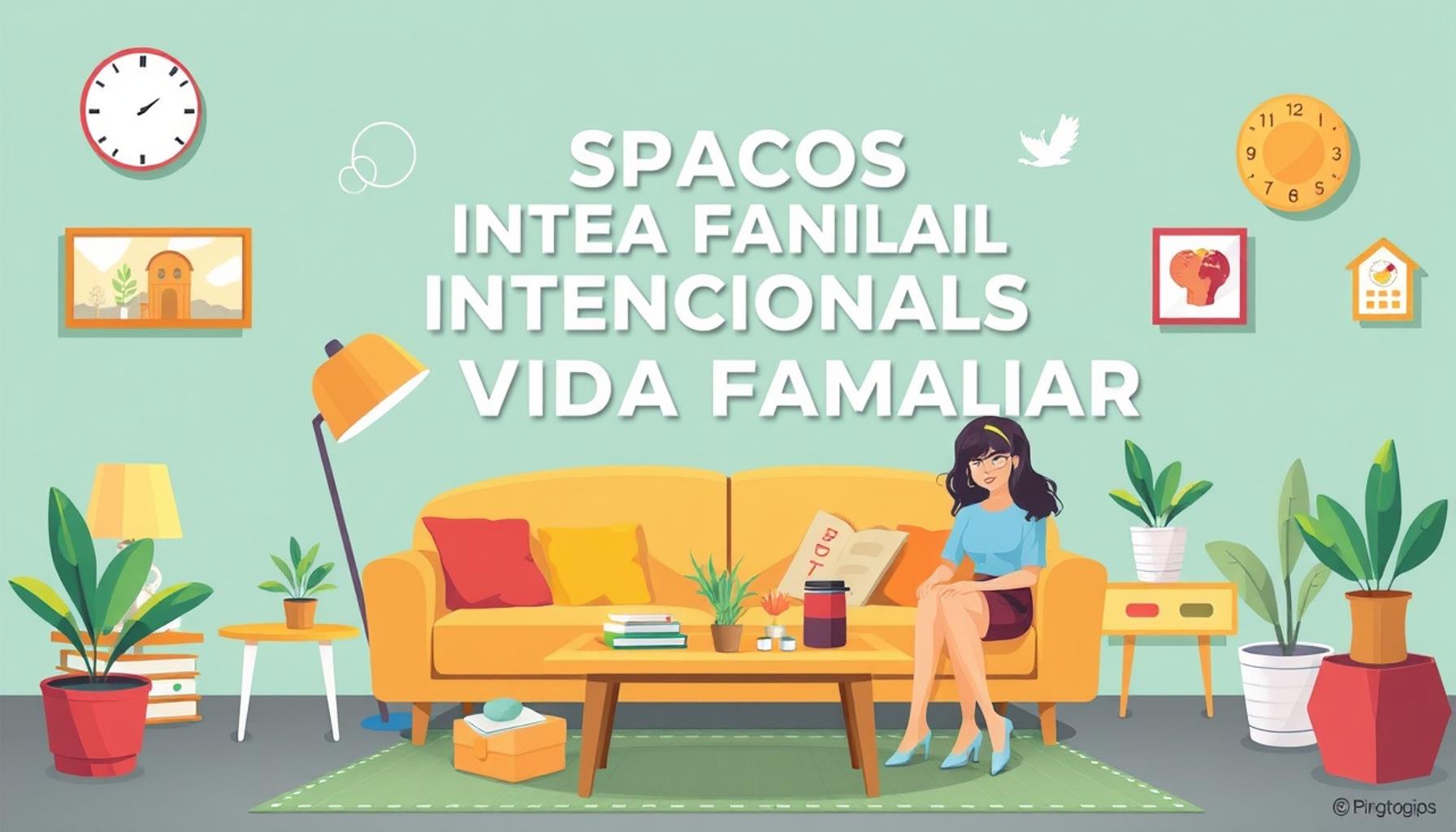
- Family Gatherings: Designing a cozy living room that invites discussion and togetherness often includes comfortable sofas, a central coffee table for board games, and personal touches like family photos. Creating an inviting atmosphere encourages family members to spend time together, sharing stories and experiences, and is essential for strengthening bonds.
- Quiet Zones: Establishing reading nooks or meditation spots to foster tranquility is crucial in balancing the hustle and bustle of daily life. Incorporating soft cushions, ambient lighting, and calming decor not only promotes relaxation but also gives family members a dedicated space for self-reflection or quiet time away from distractions, enhancing mental clarity and emotional health.
- Creative Corners: Setting up art or craft stations that encourage collaboration and creativity can transform the home into a hub of innovation. These spaces, complete with art supplies and tools, allow family members to engage in creative activities together, which not only enhances problem-solving skills but also fosters communication, as they share ideas and techniques during their creative processes.
These intentional areas are not merely functional; they also play a vital role in nurturing strong familial bonds. Research shows that dedicated spaces can lead to increased family interactions and improved communication, which are essential elements for building a resilient family unit.
The Impact of Design
The way spaces are structured can have profound effects on family dynamics. Key elements to consider include:
- Lighting: Natural light can enhance mood and promote energy, while strategically placed lamps can create a warm atmosphere during evening gatherings.
- Comfort: Cozy furniture, such as plush sofas and bean bags, can make spaces inviting and conducive to relaxation, encouraging family members to unwind and engage with one another in meaningful ways.
- Organization: Clutter-free environments can reduce stress and encourage focus, making it easier for families to interact without distractions and fostering a sense of peace within the home.
As families seek to strengthen their connections, the concept of intentional spaces serves as a valuable framework. Understanding how to implement these ideas can lead to a more harmonious family life, making the home not just a shelter from the outside world, but a nurturing environment where every member feels valued and connected. By dedicating time and effort to curate these purposeful spaces, families can find the balance necessary to thrive together in our busy, modern lives.
Designing Spaces with Purpose
Intentional spaces are designed with more than aesthetics in mind; they serve as the foundation for meaningful interactions among family members. The challenge lies in understanding how to arrange elements within these spaces to elicit connection, communication, and cooperation. By keeping certain principles in mind, families can create environments that not only look appealing but also nurture a profound sense of belonging and togetherness.
The Role of Proximity
One of the key aspects of designing intentional spaces is proximity. The placement of furniture and common areas can significantly influence the dynamics of family life. Closer proximity encourages spontaneous conversations and interactions. For example, creating a layout where the kitchen is open to the living area can allow family members to engage with each other while cooking or relaxing. It transforms what might be a mundane chore into an opportunity for connection.
Additionally, family dining spaces are crucial. A communal dining area fosters routine gatherings, making meal times a ritual for connection. Studies have shown that families who eat together regularly have healthier relationships and communication patterns. Simple changes, like using a larger table or incorporating comfortable seating, can make a significant difference in the experience of sharing meals.
Incorporating Nature
Integrating elements of nature into intentional spaces can further enhance emotional well-being. Biophilic design, which emphasizes the inherent connection between humans and nature, can be as simple as adding houseplants to brightening spaces with natural light. Research indicates that exposure to greenery can reduce stress, increase productivity, and foster a sense of peace. Even small touches, like floral arrangements or outdoor views, can create inviting atmospheres that invite family members to slow down and appreciate their surroundings.
Fostering Collaboration
Intentional spaces should also inspire collaboration among family members. Flexible areas for activities such as homework, crafts, or even family game nights encourage teamwork and shared experiences. For instance, designing a multifunctional workspace with comfortable seating and adequate storage for art supplies helps facilitate creativity while also supporting individual pursuits. This not only fosters the development of talents and interests but also strengthens the family’s collective identity.
- Creating defined zones: Use rugs or furniture arrangements to define specific areas for different activities.
- Incorporating technology: Providing accessible tech options, like a shared tablet for family planning or creative projects, can encourage collaboration and improve togetherness.
- Personalizing spaces: Allowing family members to contribute to the decor and functionality of intentional spaces empowers them and fosters a sense of ownership.
By deliberately designing environments that promote collaboration, proximity, and a connection to nature, families can enhance their collective emotional health and overall happiness. These intentional spaces provide a sense of security and belonging, making the home a nurturing backdrop for treasured memories and invaluable relationships.
| Category | Key Features |
|---|---|
| Physical Layout | An open floor plan creates more opportunities for interaction and collaboration among family members. |
| Emotional Environment | Incorporating personal items and family photos fosters a sense of belonging and security. |
| Lighting & Ambiance | Natural light promotes positive moods, while soft lighting in the evenings encourages relaxation and connection. |
| Family Gathering Spaces | Designating areas for meals, games, and conversation strengthens family ties and enhances communication. |
| Multi-Functional Areas | Flexible spaces encourage adaptability, allowing family life to evolve with changing needs and activities, enhancing harmony. |
Creating intentional spaces within family life can powerfully shape the dynamics and relationships among family members. By thoughtfully designing both the physical and emotional environments, families can cultivate an atmosphere that fosters connections. For example, utilizing an open floor plan not only improves communication but allows family members to engage more frequently throughout the day. Moreover, the inclusion of personal touches like family photos can significantly increase feelings of security and belonging. Lighting that embraces natural elements plays a role too; it uplifts spirits during the day while soft, ambient lighting in the evening can encourage winding down together—enhancing opportunities for bonding conversations. Establishing designated gathering spaces for shared meals and activities promotes interaction, allowing families to bond over everyday moments. Finally, creating multi-functional areas provides flexibility, ensuring that spaces can evolve with the family’s changing needs. Embracing these intentional design strategies can lead to a more connected and harmonious family life.
Creating Multi-Functional Spaces
In today’s fast-paced world, families often juggle multiple responsibilities, making it essential to design multi-functional spaces that adapt to various needs. The concept of dual-purpose rooms allows families to make the most of their available space while fostering connection during different activities. For example, a cozy reading nook can transform into a game or homework area with the addition of a large table, lighting adjustability, and flexible seating arrangements.
The Power of Color and Texture
The choice of color and texture in intentional spaces plays a pivotal role in influencing mood and interactions. Warm colors such as yellows and oranges can stimulate lively conversations and creativity, while cooler tones like blues and greens tend to have calming effects, perfect for areas designated for relaxation. Moreover, textures can easily change the ambiance; soft fabrics encourage comfort and coziness while sleek surfaces may evoke modernity and order. Consider inviting the family to participate in color selection, which not only involves them in the process but also strengthens their emotional connection to the space.
Designing for Mindfulness
Mental health experts emphasize the importance of mindfulness in family dynamics. Creating intentional spaces that promote mindfulness can significantly enhance the family’s emotional well-being. Dedicating a corner of the home for relaxation or meditation encourages family members to take a break from everyday stressors. Elements such as soundproofing or soft lighting can further create an atmosphere conducive to reflection and tranquility. Incorporating items like journals, calming scents, and even soothing music can enrich these mindful moments, helping families reconnect with themselves and each other.
Encouraging Movement
Physical activity is essential not only for individual health but also for nurturing family relationships. Areas designed to encourage movement can promote shared fun and physical fitness. A dedicated space for activities like yoga, dance, or even a small home gym can encourage everyone to partake in exercises together. Engaging in physical activities as a family has proven to enhance communication and bonding, providing another layer to the essential family fabric.
- Incorporating outdoor elements: With many families opting for larger backyards, designing outdoor intentional spaces such as gardens or sports areas can let families engage in activities together while enjoying fresh air.
- Creating a learning corner: Designate a specific area filled with learning materials and resources where family members can explore hobbies or academic subjects collaboratively, encouraging both bonding and mutual growth.
- Utilizing vertical space: When space is at a premium, consider utilizing vertical storage solutions to keep shared areas organized and visually pleasing, removing clutter that can lead to stress and disconnection.
By creating intentional spaces that foster mindfulness, movement, and multi-functionality, families can cultivate an environment that enhances not just their home life but also their connections with one another. These design principles offer invaluable opportunities for shared experiences that are timeless and enduring, contributing to a sense of harmony in everyday family life.
Conclusion: The Heart of Intentional Living
In the quest for deeper connection and harmony within family life, the concept of intentional spaces stands as a transformative approach. As we’ve explored, designing environments that cater to the multifaceted aspects of daily life allows families to thrive together. By creating multi-functional spaces, selecting appropriate colors and textures, embracing mindfulness, and encouraging movement, families can establish nurturing areas that foster emotional well-being and genuine connections.
Ultimately, the goal of these intentional spaces is to sift through the chaos of modern life and cultivate environments where interactions flourish. The simple act of redesigning one’s home can serve as a catalyst for improving communication, supporting shared activities, and promoting family bonding. It invites each member to engage, explore, and contribute, thereby enhancing the overall family dynamic.
As you embark on this journey of reimagining your home, consider how even small changes can make a significant impact. Involving family members in the design process not only empowers them but also reinforces the emotional ties to the space. By investing in intentional living, families can pave the way for a harmonious existence filled with love, connection, and shared memories that last a lifetime. The beauty of intentional spaces lies not just in design, but in their ability to unify lives, create lasting relationships, and ultimately, form a cohesive family unit.

Beatriz
Beatriz Johnson is a seasoned minimalist and writer with a passion for simplifying the complexities of personal organization and intentional living. With over a decade of experience in decluttering strategies and mindful consumption, she specializes in topics like space optimization, habit simplification, and sustainable lifestyle choices. Through her work on our website, Beatriz empowers readers to embrace minimalism, reduce mental and physical clutter, and create more meaningful, organized lives in today's fast-paced world.