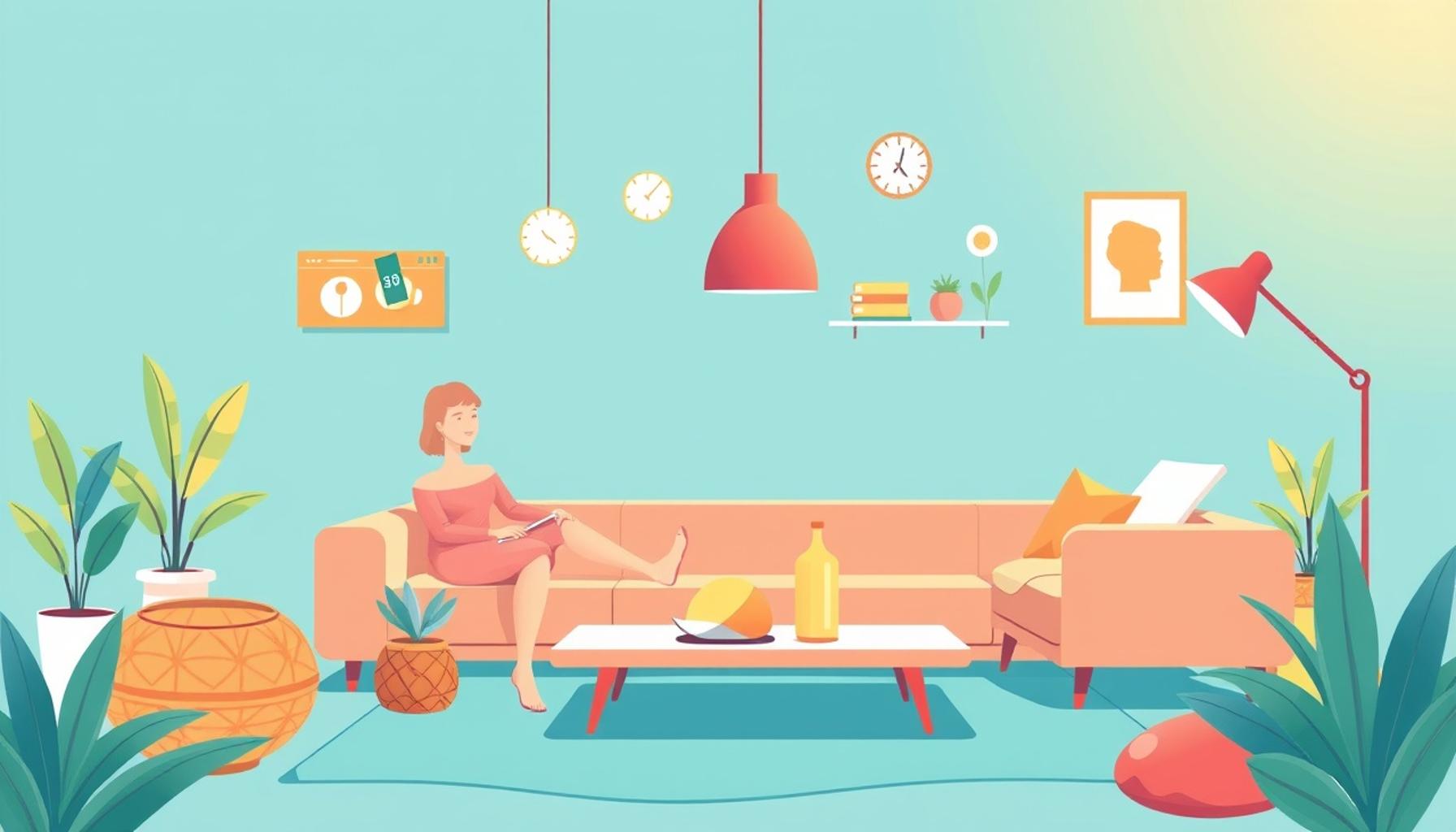
Transforming Intentional Spaces: Minimalism and the Art of Living with Less

Understanding Minimalism in Modern Life
As society continues to grapple with the overwhelming demands of consumerism, the idea of minimalism emerges as a refreshing antidote. At its core, minimalism is not merely about the absence of clutter; it is a lifestyle that encourages individuals to consciously curate their surroundings and belongings. This intentional approach allows people to reclaim their space and, ultimately, their lives.
One of the key tenets of minimalism is focusing on essential belongings. This principle calls for a critical evaluation of what truly enhances our well-being. For example, rather than holding onto an extensive collection of books that may never be read, individuals are encouraged to keep only those that provide genuine enjoyment or knowledge. This practice can extend to clothing, kitchen items, and decor, resulting in a streamlined living space that not only looks aesthetically pleasing but also feels calming and functional.
Creating mindful spaces is another crucial aspect of minimalism. This entails designing environments that resonate with personal values and aspirations. A minimalist home may feature a few carefully chosen pieces of art that evoke joy or a workspace free of distractions that facilitate creativity and focus. Mindfulness in design is about enhancing the experience of the space, promoting clarity in thought and intention, leading to a more productive and fulfilling daily life.
Moreover, minimalism emphasizes the importance of personal connection to our living environments. In a world saturated with material goods, cultivating a bond with the items we choose to keep can lead to deeper appreciation and gratitude. For instance, a family heirloom or a piece gifted by a close friend can hold significant emotional value, transforming the space into a sanctuary filled with memories and meaning. By fostering such connections, individuals can promote a more enriching lifestyle that prioritizes substance over excess.
The implications of embracing a minimalist lifestyle can be particularly relevant in the United States, where the culture often encourages relentless consumption. As more individuals begin to recognize the benefits of less, they may experience profound personal transformations, including reduced stress levels and enhanced overall satisfaction with life. This lifestyle shift can not only create a sense of peace in the home but can also inspire individuals to pursue passions and hobbies that truly matter to them, unencumbered by distractions.
As you embark on the journey of exploring transforming intentional spaces, reflect on how adopting minimalism can lead to a clearer mindset and greater emotional well-being. With each conscious choice, consider how your living environment influences your state of mind. In doing so, you may discover that living with less does not mean sacrificing joy but rather embracing a more meaningful, intentional existence.
Redefining Clutter: The Emotional Weight of Our Belongings
In the pursuit of a minimalist lifestyle, understanding the emotional weight of our belongings is critical. In the United States, where fast fashion and disposable goods reign, individuals often find themselves surrounded by items that contribute more to their stress than to their joy. This clutter is not merely physical; it often carries with it memories, obligations, and the pressure of societal expectations, creating a complex emotional landscape that can be overwhelming.
Minimalism invites us to confront this clutter by reevaluating what truly matters. Experts in organizational psychology suggest that the process of downsizing can evoke feelings of liberation and clarity. By letting go of items that no longer serve a purpose in our lives, many discover a newfound space—both physically and mentally—to breathe and focus on what genuinely enhances their quality of life.
Strategies for Reducing Emotional Clutter
To embark on this transformative journey, consider the following strategies that can aid in the reduction of emotional clutter:
- Prioritize Meaningful Items: Instead of keeping everything, focus on items that hold significant meaning or serve a daily function. Evaluate each item based on memories created or its utility in your daily life.
- Set Goals for Decluttering: Create specific, achievable goals for decluttering your space. For instance, aim to clear out a specific room or drawer each week. This incremental approach prevents overwhelm and keeps progress tangible.
- Practice the One-Year Rule: If an item hasn’t been used in the last year, consider if it truly belongs in your space. This rule often leads to a sharper distinction between necessity and excess.
- Involve Others: Share your decluttering journey with friends or family. Not only does this create accountability, but it can also foster deeper connections through the shared experiences and emotional stories tied to your belongings.
Emotional decluttering is just as important as the physical act of removing unwanted items. Recognizing attachments and understanding the roots of our emotional connections can aid in easing the process, leading to a deeper appreciation of the items we choose to keep. Every piece retained should enhance the tapestry of your life rather than weigh it down.
As individuals reflect on their collective experiences and the emotional resonance tied to their possessions, they often find themselves in a transformative space—ready to embrace a lifestyle that prioritizes intention over accumulation. This shift amplifies the potential for personal growth, creativity, and a clearer, more focused mind.
Ultimately, the journey toward transforming intentional spaces through minimalism is deeply personal. By approaching our surroundings with purpose, individuals can foster environments that not only celebrate essential belongings but also encourage mindfulness and emotional well-being.
As we delve deeper into the practices of minimalism and intentional living, it becomes evident that transforming your living space is not merely a matter of decluttering but a pathway to fostering a sense of peace and mindfulness. This journey often begins with assessing the items you surround yourself with and determining their true value in your life. By embracing the philosophy of living with less, individuals are encouraged to prioritize quality over quantity, leading to a more fulfilling existence with each purposeful choice made.
The foundational principle of minimalism is the elimination of distractions, creating an environment conducive to personal growth and self-discovery. As you remove unnecessary possessions and simplify your surroundings, you make room for experiences, relationships, and opportunities that truly resonate with your core values. This process often sparks a deepening awareness of what it means to live intentionally, where every object serves a purpose and contributes to your overall well-being.
Furthermore, transforming your space allows for a profound shift in perspective. By restoring balance and harmony within your environment, you’re not only enhancing the aesthetic appeal of your home but also cultivating a sanctuary for your mind. The minimalist approach advocates for thoughtful consumption and sustainability, challenging the overconsumption narrative prevalent in today’s society. Choosing to invest in durable and meaningful items nurtures your relationship with your possessions, encouraging you to appreciate their presence rather than view them as mere commodities.
Ultimately, the art of living with less extends beyond the physical act of decluttering; it represents a holistic lifestyle transformation where individuals consciously curate their surroundings. As you navigate through this journey, you may find that embracing minimalism offers not just space but also the freedom to focus on what truly matters. To further explore how to start implementing these principles in your life, consider the following table:
| Category 1 | Category 2 |
|---|---|
| Space Efficiency | Maximizes functionality in limited environments. |
| Emotional Well-being | Reduces stress and enhances mental clarity. |
Engaging in minimalism not only transforms your physical space but also reshapes your mental landscape, allowing you to embrace an existence centered on intention and genuine satisfaction.
Creating Intentional Spaces: Design and Functionality
Once we have begun to strip away the emotional clutter, the next step in the minimalist journey is to create intentional spaces that foster tranquility and purpose. The concept of intentional spaces extends beyond mere aesthetics; it embodies the intersection of design and functionality, allowing environments to reflect our values and priorities.
In minimalist design, every piece is chosen with intention, simplifying our surroundings to inspire harmony and focus. The implementation of open floor plans or the strategic placement of furniture can redefine how we interact with our space. For instance, removing bulky furniture can create an atmosphere of openness. According to the American Institute of Architects, such spatial arrangements can enhance not only the visual appeal of homes but also increase overall well-being by allowing for natural light to flow and reducing feelings of confinement.
Incorporating Functional Aesthetics
Incorporating functional aesthetics is key to creating spaces that are as practical as they are beautiful. This can involve:
- Multi-Functional Furniture: Look for furniture that serves various purposes, such as a coffee table that doubles as a storage unit or ottomans that provide seating while housing blankets. The idea is to reduce the number of pieces while maximizing their use.
- Embrace Natural Materials: Utilize materials that not only look appealing but also breathe life into space. Natural wood finishes and plants can invigorate and soften environments, creating a healthier atmosphere that encourages relaxation.
- Color Psychology: Choose color palettes that evoke calm and focus. Soft blues and greens are known to promote tranquility, while brighter accents can inspire creativity. Understanding how color influences mood allows for a more profound connection to your living area.
Capturing the essence of minimalism is often about the story each space tells. For example, consider a dining area that combines simplicity and functionality—perhaps a sleek table hosting a handcrafted centerpiece. This sets the tone for gathering and connection without overwhelming the senses with excess.
Technology in the Simplified Home
As we integrate technology into our daily lives, minimalism can guide us in creating organized, purpose-driven technological spaces. In the U.S., the rise of the smart home movement raises questions about how these devices align with minimalist principles. Smart devices, when utilized wisely, can streamline daily tasks and reduce clutter through automation. For instance, smart speakers can control lighting and music, while automated systems can manage schedules and monitor home security, thereby simplifying life without adding to the overload of physical items.
However, as individuals embark on this journey toward intentionality, it is crucial to strike a balance. Too many gadgets or overwhelming technology can also contribute to mental clutter. Therefore, each device should be carefully selected, ensuring it aligns with one’s lifestyle and enhances daily living.
Incorporating minimalism into our homes and spaces is not simply about the absence of items; it’s a conscious decision to surround ourselves with only what is essential and brings joy. As the principles of minimalism intertwine seamlessly with design and functionality, individuals can create intentional sanctuaries that nurture emotional wellness and foster a sense of peace amidst the chaos of modern life.
Conclusion: Embracing Minimalism for a Purposeful Life
In an era defined by excess and overwhelming choices, embracing minimalism presents a powerful antidote that resonates deeply with the quest for intentional living. Through the careful curation of intentional spaces, individuals can reclaim their environments, reflect their values, and enhance their overall well-being. The journey to minimalism transcends merely discarding possessions; it involves a conscious commitment to surround ourselves with only those elements that foster joy, serenity, and purpose.
As we adopt principles of functional aesthetics, from selecting multi-functional furniture to understanding the psychological impact of color, every decision about our spaces becomes a reflection of our lives and priorities. Moreover, integrating technology mindfully allows for streamlined routines without compromising the tranquility that minimalism promotes. It’s essential to recognize that while technology can simplify tasks, our choices should avoid adding to mental clutter, maintaining a refined balance.
Ultimately, the true essence of minimalism lies in its ability to transform our everyday existence. By focusing on quality over quantity, we create sanctuaries of peace amidst the chaos, enhancing our emotional wellness and fostering authentic connections with ourselves and others. As the world continues to shift around us, the art of living with less becomes increasingly compelling, inviting individuals to explore how intentionality and simplicity can lead to a more harmonious and fulfilling life. Take the first step today—start transforming your space and, in turn, your experience of life.

Beatriz
Beatriz Johnson is a seasoned minimalist and writer with a passion for simplifying the complexities of personal organization and intentional living. With over a decade of experience in decluttering strategies and mindful consumption, she specializes in topics like space optimization, habit simplification, and sustainable lifestyle choices. Through her work on our website, Beatriz empowers readers to embrace minimalism, reduce mental and physical clutter, and create more meaningful, organized lives in today's fast-paced world.